“The pace, the honesty, the sense of really talking to and listening to each other.”
“Doses of surprise and magic.”
Dialogic Lab
This is MAGICommons’ dialogic inquiry into Regenerative Flourishing. Our North Star is Regenerative Vitality, a state of being sustainably fully alive and engaged. We study it through an ecological lens (bio-psycho-social-spiritual-systemic) across the edges where Arts, Health, Education, Governance, Economics, Agriculture, Architecture, and Technology+ meet, treating societal health as one interdependent living system. We work cosmo-locally, rooting our research in specific communities and sharing what we learn with a global network.
In each episode, we open a spacious container with a Signal Bearer, a visionary, creator, or bridge builder at these edges, to explore together what nourishes regenerative vitality. Instead of interviews, we have conscious and deep conversations. People who walk into this space are not just guests, but co-explorers and re-imaginers, who participate authentically as a gesture of commitment with a code of resonance to offer.
To participate, you are invited to listen on YouTube, Spotify, Apple Podcasts, or other 35+ global platforms; join the MAGICommons Circle, a global, decentralized commons of systems thinkers and change agents. If you are a re-imaginer ready to commit to co-stewarding this regenerative inquiry, reach out through intentional Contact.
Regenerative vitality is an ability to renew energy, creativity, and purpose rather than simply push through exhaustion.
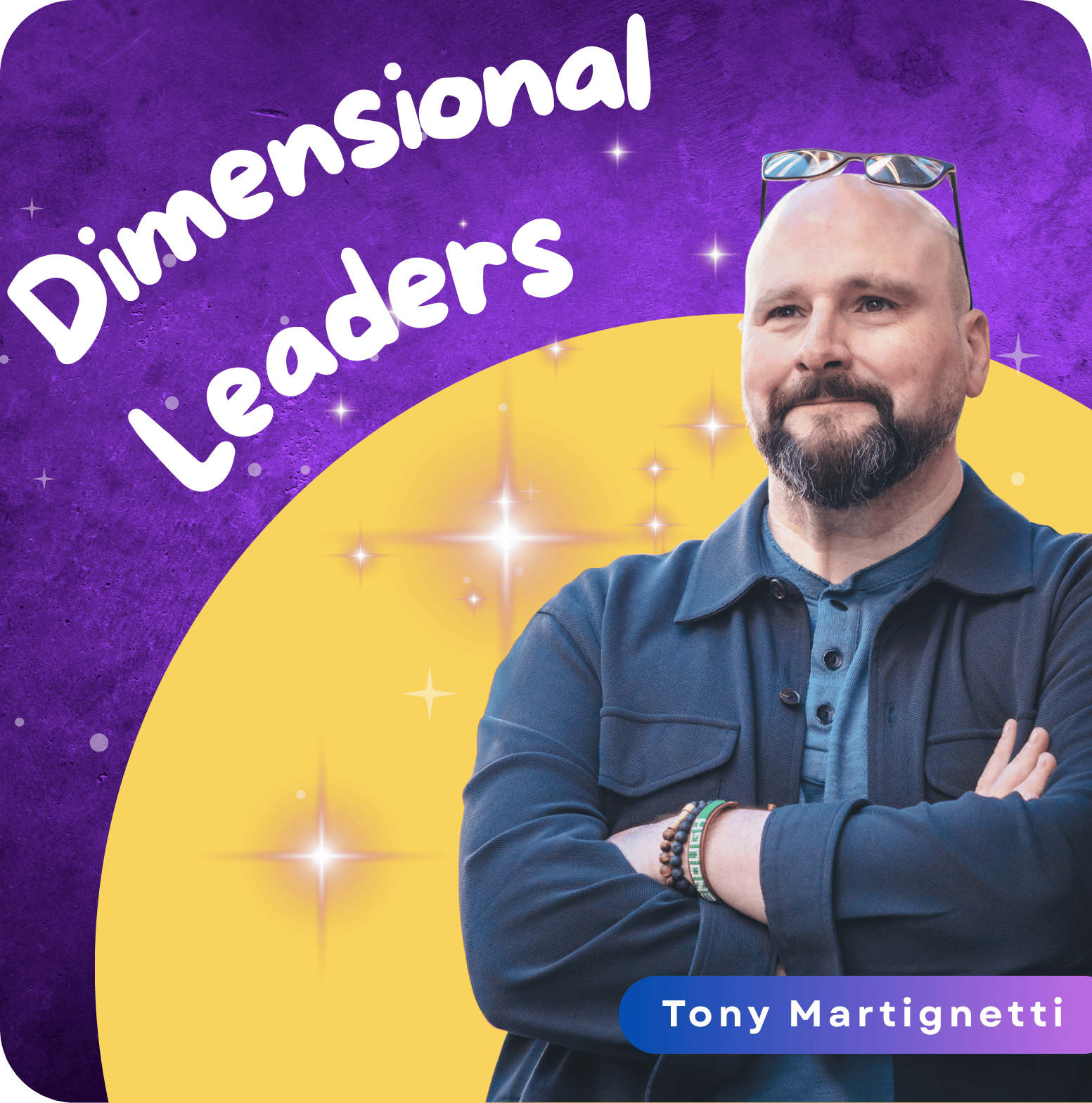
In this MAGICommons Dialogic Lab conversation, we speak with leadership “playmate” and author Tony Martignetti about why so many accomplished people feel depleted: they have learned to self-edit, fragment themselves into titles, and perform according to other people’s definitions of success.
Tony offers a different path: play out loud. Through the image of a directionally focused lighthouse, he shows how leaders can aim their energy toward what matters, reclaim disowned parts of themselves, and turn performance into “practiced play.”
This conversation explores the following questions:
What is regenerative vitality?
What is self editing and how does it lead to fragmentation and burnout?
How do we play out loud in the future of work?
#RegenerativeVitality #PlayOutLoud #Self-Editing #MultidimensionalLeadership #LeadershipBurnout #BurnoutRecovery #PerformanceAndPlay #TonyMartignetti #MAGICommons #DialogicLab #FutureOfLeadership
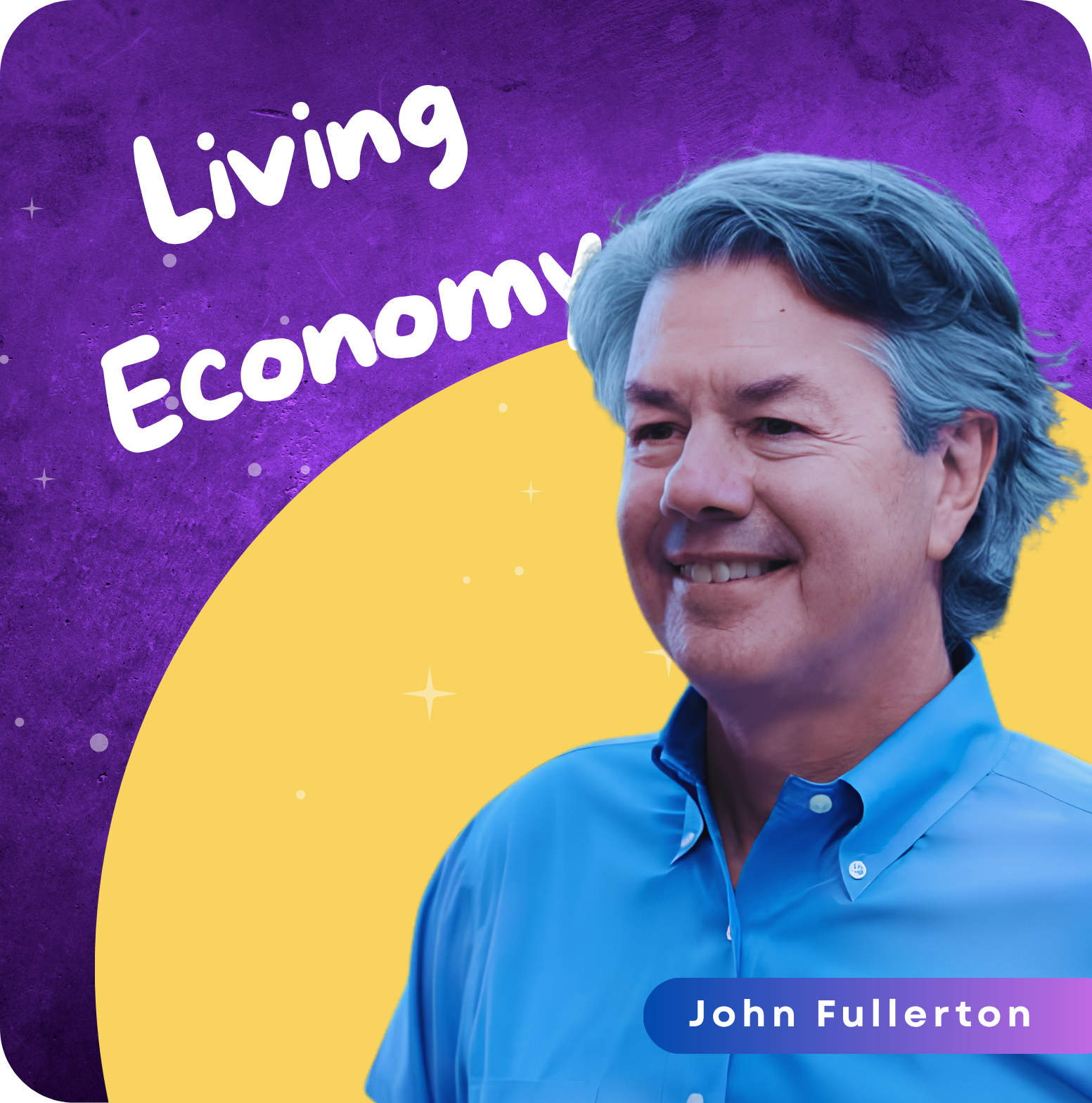
What would a regenerative economy look like if we designed it the way life works? In this conversation on the Magic Commons Dialogic Lab, economist John Fullerton, founder of Capital Institute and author of Regenerative Economics, explains why conventional economics treats the economy as "a machine to be optimized," and why that worldview lies at the root of today's ecological and inequality crises. Drawing on living systems thinking, John shares the principle he considers most essential: being in right relationship. From the personal shift out of "never enough," to organizations like Mondragon and Patagonia composting capital back into life, to stewarding the internet and AI as commons, this article explores how regenerative vitality emerges at every scale, and offers one simple question to guide any decision.
Key questions to explore:
What is a regenerative economy?
What does "right relationship" mean in economics?
How is regenerative economics different from conventional economics?
What are examples of regenerative businesses?
Ask most people the difference between kindness and compassion and you'll get a pause, then a shrug — they feel like the same thing wearing different clothes.
But the distinction matters more than almost any other in how we actually live, because it explains why so much sincere feeling never becomes anything.
Compassion is interior: it's what you perceive, what you feel on someone else's behalf.
Kindness is exterior: it's what you do about it.
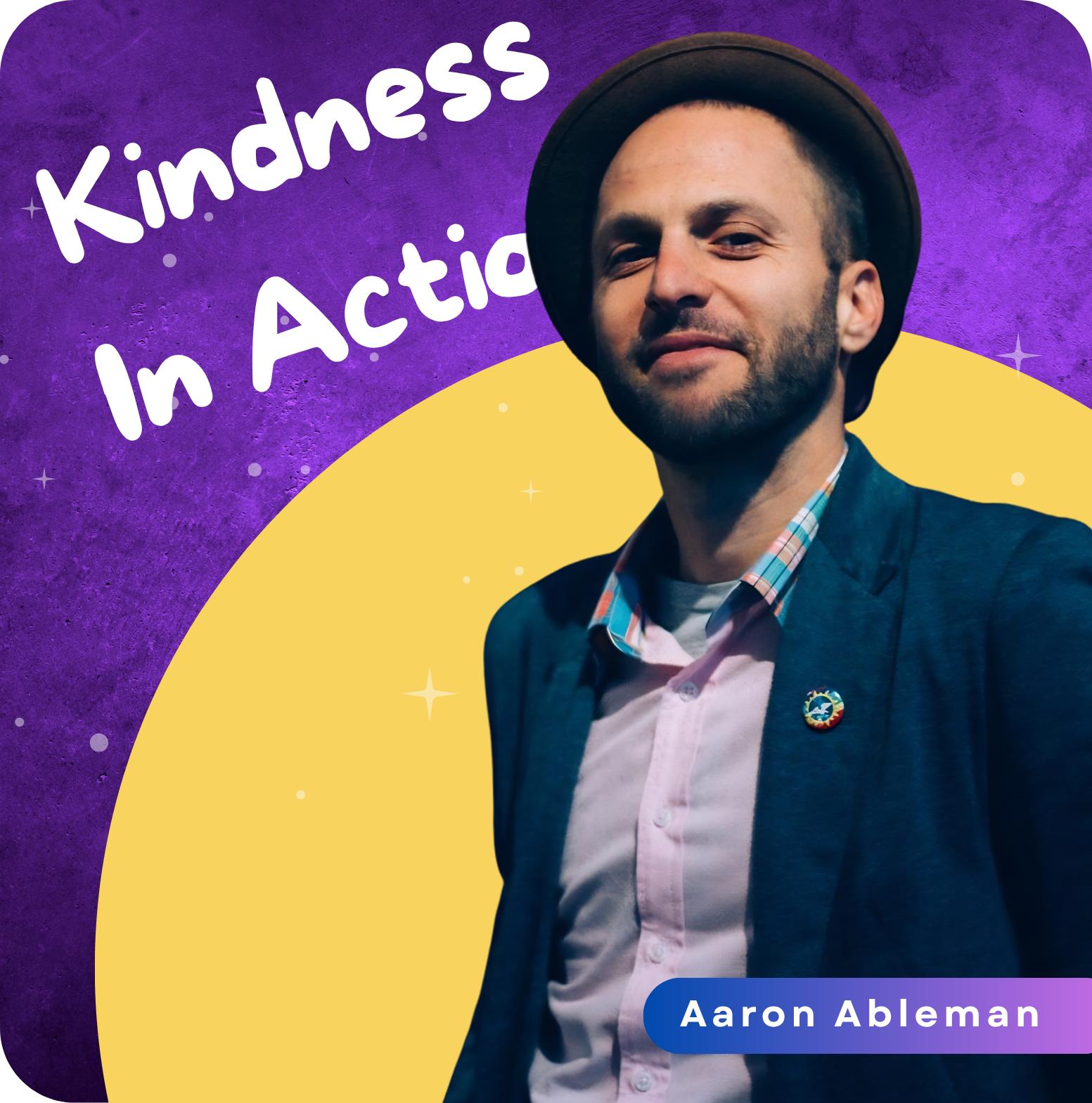
In a conversation, author and artist Aaron Ableman shares the cleanest explanation — "If compassion is the composition of the song, then kindness is actually the lyrics and the performance of it. One is written. The other is played out loud.”
What follows is an argument for why compassion in action, at the smallest possible scale, may be the only thing that changes anything.
#Compassion, #Kindness, #RegenerativeLife, #DeathEconomy, #SelfCompassion, #Consciousness, #ParadigmShift, #RegenerativeFutures #ConsciousLeadership, #BePresent, #Storytelling, #Fatherhood
When we think of music, we think of it as a common type of entertainment.
We listened to a song and vibe with it; had some fun and mission accomplished.
However, a growing body of research on music, memory, and neuroplasticity suggests something more interesting:
Music may tap into our whole brain potential to learn complex subjects such as math.
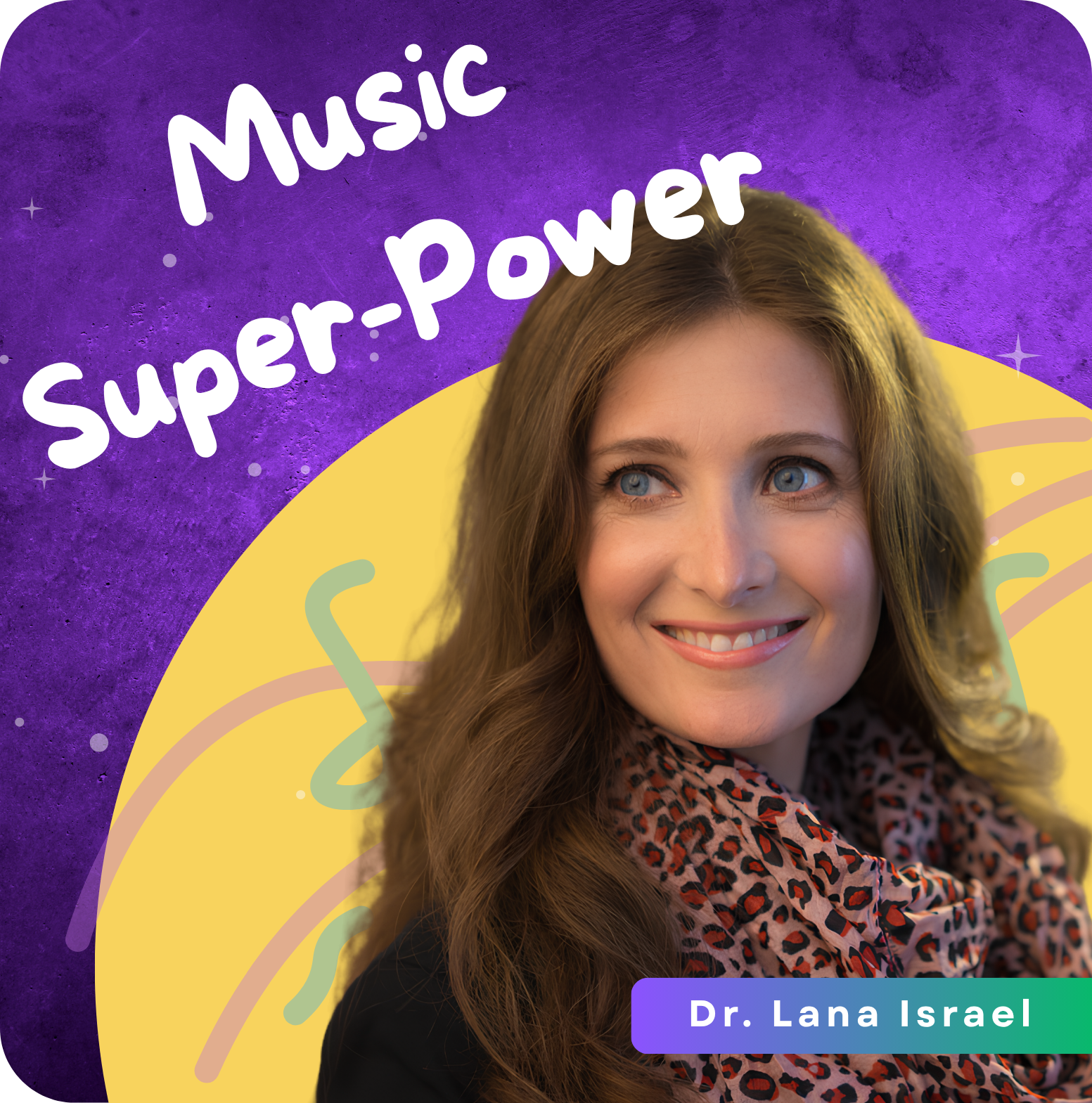
Funded by the National Science Foundation (NSF), this is what @Lana Israel and her team has been exploring.
Curious?
Here is the full story:
#MusicBasedLearning, #HumanPotential, #MusicAndMemory, #Neuroplasticity, #SelfLimitingBeliefs, #WholeBrainLearning, #Neuroscience
What if creativity isn't something we spend, but something that regenerates vitality the more we use it?
According to creativity researcher James Kaufman — co-editor of the Cambridge Handbook of Creativity — creativity and mental health are more closely linked than most people realize.
In this conversation, Kaufman unpacks the Four C model of creativity (mini-c, little-c, Pro-C, and Big-C), showing why creativity isn't reserved for geniuses but lives in everyday moments of insight and expertise.
From divergent and convergent thinking to the healing power of the "writing cure," this piece explores how creativity works as a renewable source of regenerative vitality — one small, intentional act at a time.
#Creativity, #FourCModelCreativity, #MentalHealth, #DailyMagic, #RegenerativeVitality, #DivergentThinking, #ConvergentThinking
Why do we stand in front of great art — in the world's finest museums, surrounded by masterworks — and feel absolutely nothing? The answer, according to experience designer Abraham Burickson, has nothing to do with the art. It has everything to do with how we arrive. In this piece, drawn from a conversation on the Magic Academy podcast, Abraham unpacks what he calls the infrastructure of wonder: the hidden conditions that have to exist before any experience — a painting, an event, a human encounter — can actually land. What gets in the way of being moved? Why does physical movement unlock emotional openness? How does clarity of role make people feel safe enough to receive something? And what does any of this mean in a world where AI is quietly engineering away the conditions for genuine human experience? If you have ever wondered why transformative experiences feel so rare, this is where to start.
Episodes 50-100

On S5E7 of the @MAGICademy Podcast, we give a warm welcome to Sarah Hill! She is the founder and CEO of Healium, a company specializing in interactive media and mental fitness solutions. Aside from that, Sarah is an accomplished journalist with 12 Emmy awards under her hat, having dedicated over 25 years to storytelling and media innovation, and a background working with major news networks, including NBC, ABC, and CBS. She joins us today to talk about self-awareness and the power of immersive content for us to properly get to know about ourselves, our feelings, and how to behave in a corporate environment.
Sarah describes herself as a storyteller, using biometric inputs such as brain patterns and heart rate to tell her stories. We talk deeply about the different inputs the body gets, immersive stories and the effect they have on people, mental fitness as a relatively new concept, and how to leverage new technologies to have an efficient and productive state of mind.

Welcome to S5E6 of the @MAGICademy Podcast! Our guest today is Megan Powell Cuzzolino, who is a prominent educational researcher and a project director at the Harvard Graduate School of Education. She studies the role of awe in learning and development, and how emotional experiences can enhance workplace life in different fields, particularly in science education. We had a very interesting conversation about awe as a talent in different fields and how is essential for every type of talent to feel a certain level of awe when serving in a company or organization.
One thing we know for certain is that money or benefits alone don’t make people happy at work, some sense of belonging or motivation is needed. And that’s where awe and fulfillment come in. Megan shares some insights on childlike wonder and adult wonder; we deep dive into the concepts of gratitude and awe; we go over the role of cultural and individual differences in organizations when trying to boost awe; and much more!

On S5E5 of the @MAGICademy Podcast we welcome Dr. Britt Andreata to the show! She is a thought leader and expert in brain science, leadership, and education, with experience developing brain science-based training programs for organizational effectiveness and personal growth. We had a great conversation about emotional intelligence, neuroscience, and how those concepts positively influence the workplace environment, as emotionally skilled leaders can empower themselves and talents more efficiently and magically.
Dr Britt is the CEO of Brain Aware Training, which focuses on applying neuroscience to improve workplace learning and development. In this episode, we dive deeper into empathy and psychological safety, what happens in the brain while emotional intelligence works, and the huge impact it can have on organizations to train their workforce to be emotionally skilled.

Welcome to a new episode of the @MAGICademy podcast! Today on S5E4, our guest is Lisa Cannata, a leadership development expert currently associated with The Blanchard Companies, with over 27 years of diverse experience under her hat in developing new and interesting learning strategies.
We talk a lot about mindfulness and the relation between a good state of mind and a good skill set to be a well-balanced and empathetic leader. As the work environment continues to evolve, the role of the leader needs to evolve as well, and Lisa shares a lot of valuable insights on this matter.
Currently based in Orlando, Florida, Lisa has focused on visionary learning and talent engagement, leveraging her extensive background in management and healthcare to enhance organizational effectiveness. In this episode, we delve into her pivot to Blanchard, multiculturalism and diversity in the workplace, and how to enter a focused state and concentrate to keep working when we don’t feel like it.

Welcome once again to the @MAGICademy Podcast! On S5E3 we give a warm welcome to Jelena Aleksich to the show. She is a creative entrepreneur, visual storyteller, and founder of The Confetti Project, which began as a photography challenge in her bedroom and now has evolved into a global mental health storytelling platform. We talk about our playfulness and how it’s often something that we ignore but it ends up being vital for us to have a healthy and balanced adult life.
Like many entrepreneurs, Jelena had a completely different background from what she ended up doing, starting as a psychology student and then pivoting to follow a more creative path. In this episode, we explore this pivot and the motivations behind it, the playful mindset and how to cultivate it, mental health and Jelena’s answer to the issue, and much more!

Welcome to a new episode of the @MAGICademy Podcast! In S5E2 we are joined by Evan Sitler-Bates who drops by to have a great conversation about VR. Evan is the CEO and co-founder of XpertVR, a consulting firm that specializes in e-learning and virtual reality solutions, providing companies and skill development initiatives with new ways to deliver their content innovatively and interestingly.
In this episode, we go through the founding and establishment of XpertVR from a passion project to a viable business; what motivates people to learn through VR and the advances in the industry; some pros, cons, and room for improvement in VR-aided skill development techniques; and much more.
Episodes 1-49