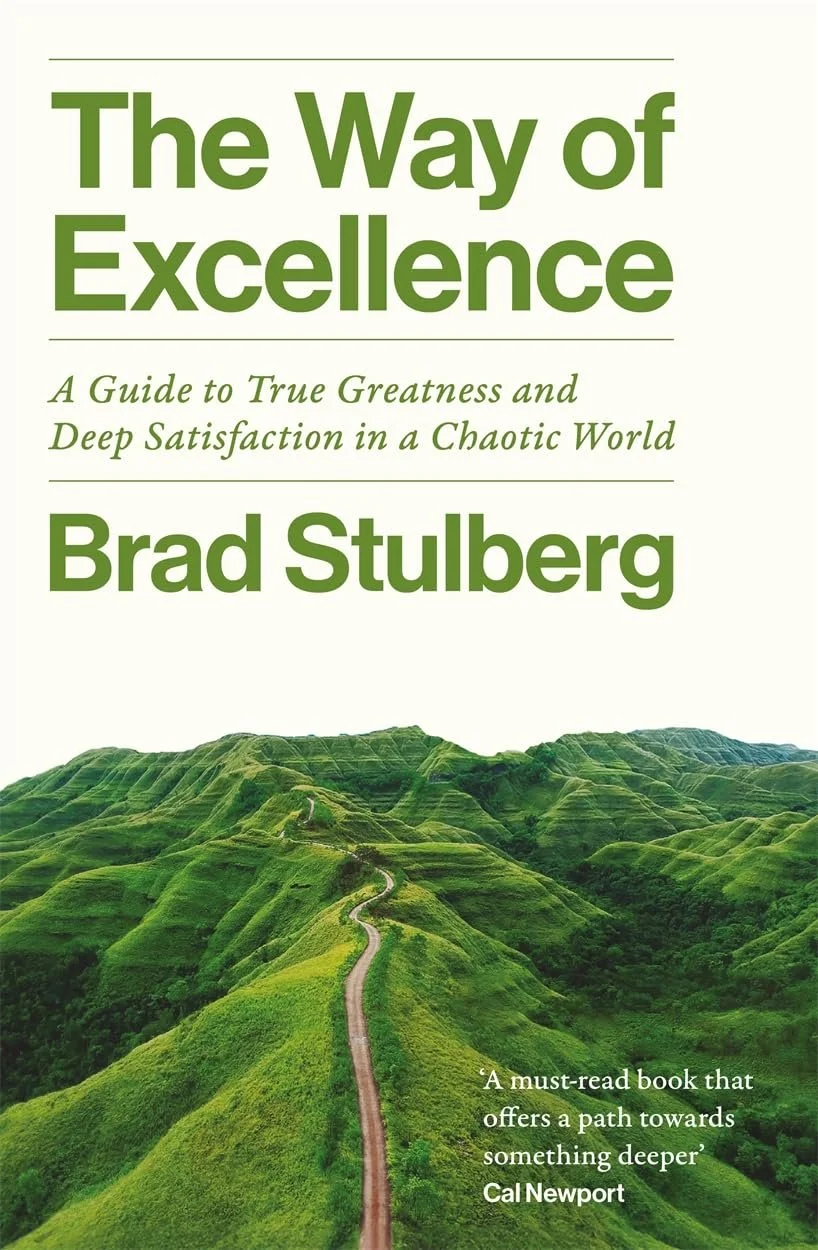
The Way of Excellence | Ray Sherman
The Way of Excellence is the Character-Architecture Protocol because it defines "Greatness" not as external status or technological power, but as the relentless pursuit of virtue, skill, and integrity amidst global instability.
It is included because a flourishing civilization cannot be sustained by brilliant tech alone; it requires individuals who have mastered the "Internal Excellence" necessary to handle that power without corruption.
This book ensures that as the world moves toward "Superabundance," the person at the helm remains anchored in deep satisfaction and moral clarity rather than being swept away by the chaos of a rapidly shifting world.
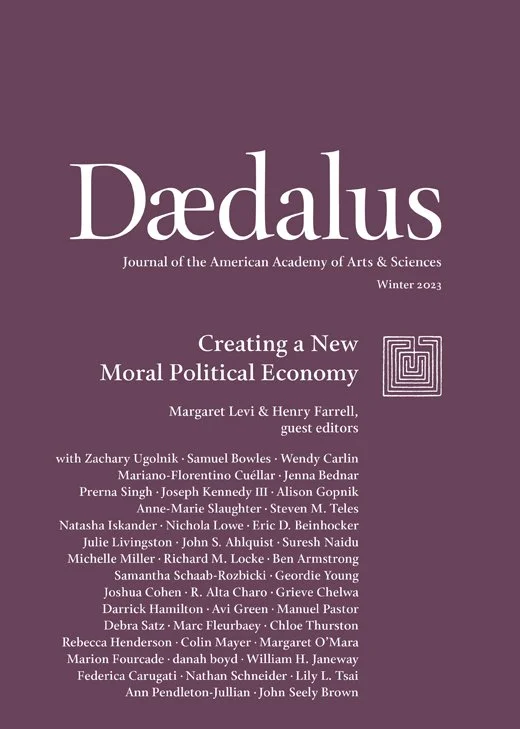
Governance for Human Social Flourishing | Jenna Bednar
Bednar’s framework formally ends the era of "Market-First" governance and replaces it with "Flourishing-First" architecture.
It is the essential bridge between our internal integrity and global policy, arguing that we must rebuild our institutions on the four pillars of Dignity, Sustainability, Community, and Beauty.
This isn't just an article; it’s a legislative mandate to stop optimizing for "Efficiency" and start optimizing for Agency and Resonance, ensuring that the external structures of the world finally match the internal evolution of the human spirit.
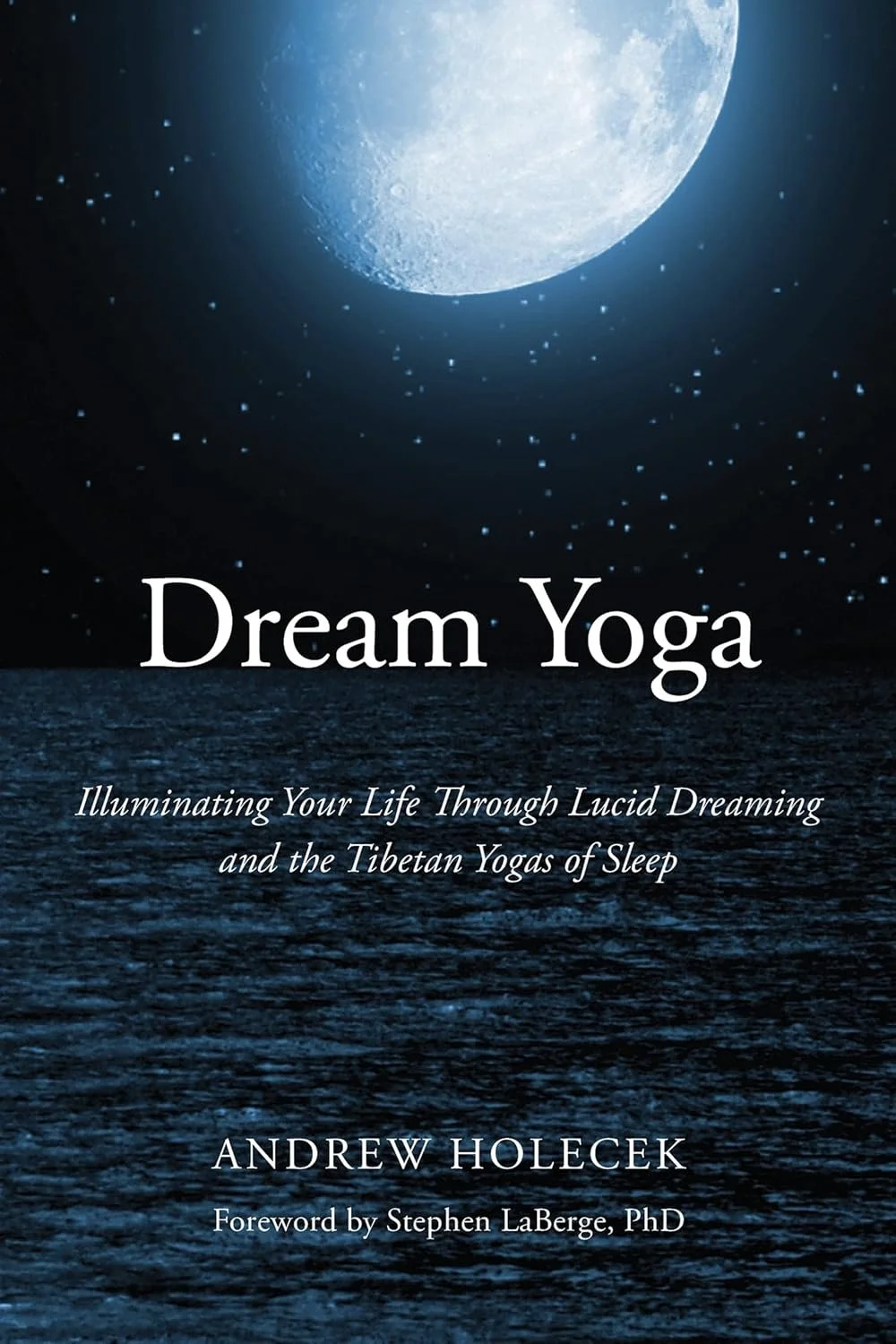
Dream Yoga | Andrew Holecek
We currently live "half-lives." We spend 8 hours a day in a state of "unconscious blackout."
If our awareness only works when the sun is up and the coffee/tea is hot, we are easily manipulated by our subconscious fears and shadows.
Dream Yoga turns sleep from "wasted time" into a Training Simulator.
In the dream state, the brain is highly plastic and creative; Andrew teaches us to use that time for Systemic Problem Solving and Emotional Calibration.
Most of us make decisions from a segmented space, where the "Daytime Ego" is disconnected from their "Nighttime Shadow."
Dream Yoga bridges that gap, creating a Coherent Human who is the same person in the boardroom as we are in the deepest dream.
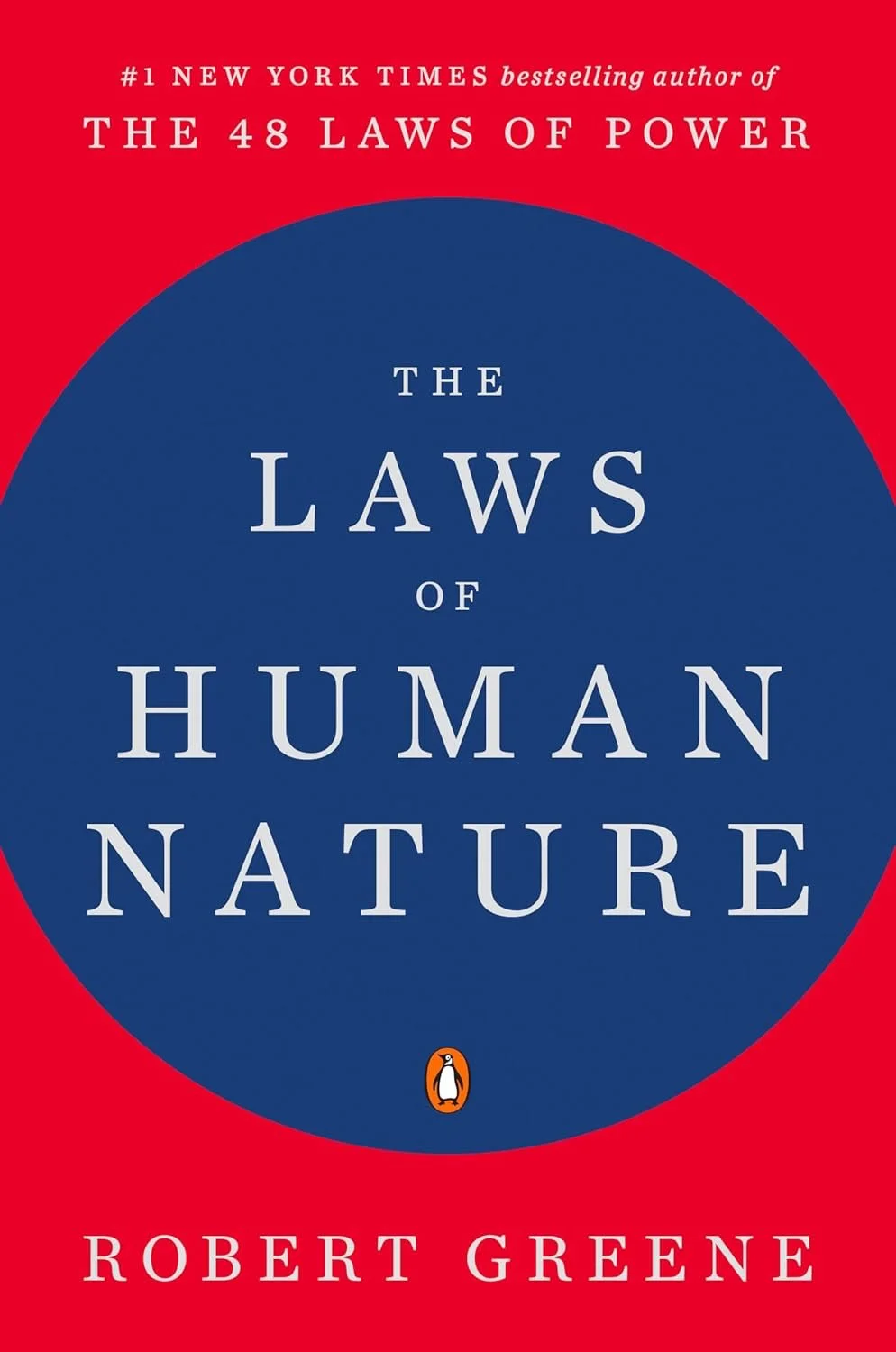
The Laws of Human Nature | Robert Greene
Greene provides the "Shadow Map" of the human psyche.
It invites us to see natural forces that potentially (subconsciously) drive most human behavior: envy, narcissism, grandiosity, and tribalism.
Greene provides the 18 laws that govern human interaction, giving us the ability to "see through" the masks people wear—including our own.
It shifts us from "Idealistic Naivety" to "Strategic Empathy."
By understanding the darker aspects of human nature, we can better protect our work and ourselves from potential sabotage and manipulation.
It harmonizes the conflicting duality of "High Idealism" and "Grounded Realism" (Human Nature).
Humanistic Management | Michael Pirson
Pirson sees the current global crises as a result of a management paradigm that ignores human dignity.
He replaces this with a framework based on Protecting Dignity and Promoting Well-Being.
This book provides the practical "Governance" compass for any project, company, or community to align with the fundamental sanctity of life.
It shifts us from "Utility Maximizer" to "Dignity Protector," viewing every professional interaction as an opportunity to foster well-being rather than just "output." It harmonizes the conflicting duality of "Efficiency" and "Empathy."
The Science of Channeling | Helané Wahbeh, ND, MCR
This book is the Intuitive Protocol. While other manuals focus on logic or systems, Wahbeh provides the Empirical Bridge to our non-local capabilities.
We will integrate Intuitive Intelligence as a rigorous data stream.
Wahbeh uses a scientific lens to validate that accessing information beyond the ordinary senses is a universal human trait.
It provides the protocol to trust "noetic" hits as valid input for high-stakes decision-making.
It shifts us from "Analytical Isolation" to "Universal Interconnectedness."
By providing a scientific framework for intuition, it replaces stigma with a Quantum Information skill set.
It teaches how to discern between egoic noise and true intuitive signal, making everything an expression of universal intelligence.

Zero Distance: Management in the Quantum Age | Danah Zohar
This book provides the Structural Protocol for a leader in a flourishing society, for it introduces the concept of "Zero Distance"—the elimination of the gaps between the leader and the led, the company and the customer, and the "Self" and the "Field."
Zohar explores the possibility to evolve the bureaucratic, "Newtonian" model of leadership (command and control) to a model of "Quantum Entanglement" where every part of the system is instantly connected to every other part.
It shifts us from a "Controller" to a "Co-Creator" that dissolves ego-boundaries and leads through Spiritual Intelligence (SQ).
It harmonizes the conflicting duality of "The Leader" and "The System," showing that they are actually a single, entangled process.
The Fifth Discipline | Peter M. Senge
It is included because it transforms "Systems Thinking" from a cold, academic concept into a daily individual discipline.
It provides the specific "Gateways" for us to recognize that they are not a separate observer of a problem, but an active participant within the system's structure.
It shifts our mindset from "Problem Solver" to "Systemic Participant."
The book provides two critical protocols:
Mental Models (the ladder of inference) and
Harmonizing Advocacy and Inquiry.
These ensure that we can hold our own perspective while remaining radically open to others. It is a tactical guide for "Thinking about Thinking," allowing us to calibrate our internal logic to match the complexity of the 21st century.
The Systems Leader | Robert E. Siegel
It provides the blueprint for navigating the "Great In-Between"—the friction where legacy systems meet emerging realities.
While traditional leadership focuses on internal efficiency, Siegel argues that a modern Steward must become a "Systems Orchestrator."
This means mastering the art of managing cross-pressures: the tension between private profit and public good, technological speed and human ethics, and short-term execution and long-term systemic health.
The book provides the tactical language to "zoom in" on rigorous daily operations while simultaneously "zooming out" to ensure those actions harmonize with the broader ecosystem.
By mastering this duality, the individual ensures their integrity is not just a personal virtue but a structural force.

The 15 Commitments of Conscious Leadership | Dethmer + Chapman + Klemp
The "Above the Line / Below the Line" check.
This is the simplest and most powerful behavioral mirror in the kit.
At any moment, you ask: "Am I being defensive and closed (Below), or am I being curious and open (Above)?"
It places the responsibility for your experience entirely on you.
By committing to stay "Above the Line," you ensure your integrity isn't dependent on external circumstances.
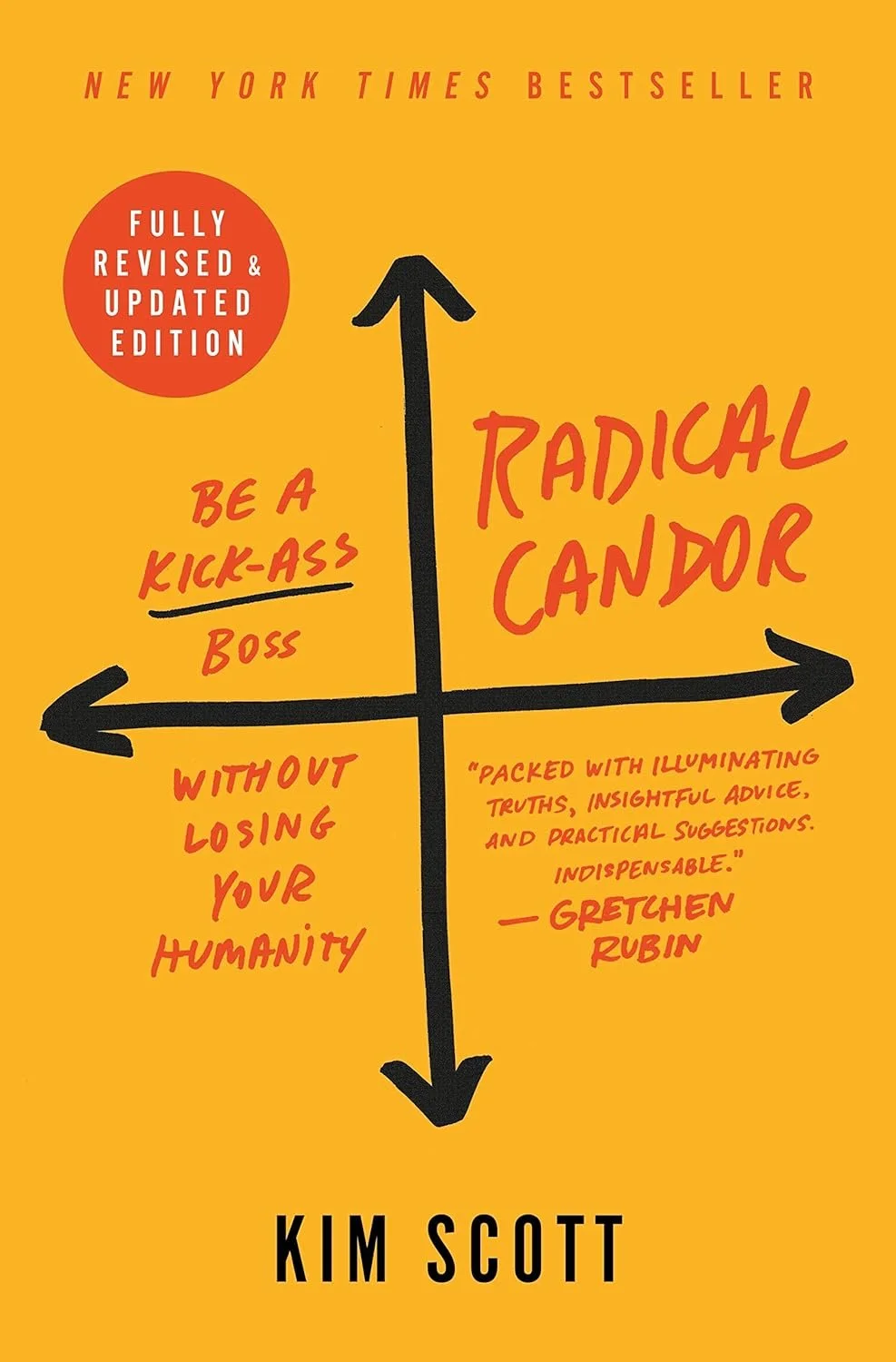
Radical Candor | Kim Scott
This manual teaches the individual how to speak the truth without being an aggressor and how to care for people without being a "ruinous" enabler.
It provides the courage to be clear.
Integrity is often lost in the "mushy middle" of being nice but dishonest.
This protocol ensures that your word is solid and your feedback is a gift, not a weapon.
It allows you to maintain high-fidelity relationships through radical clarity.
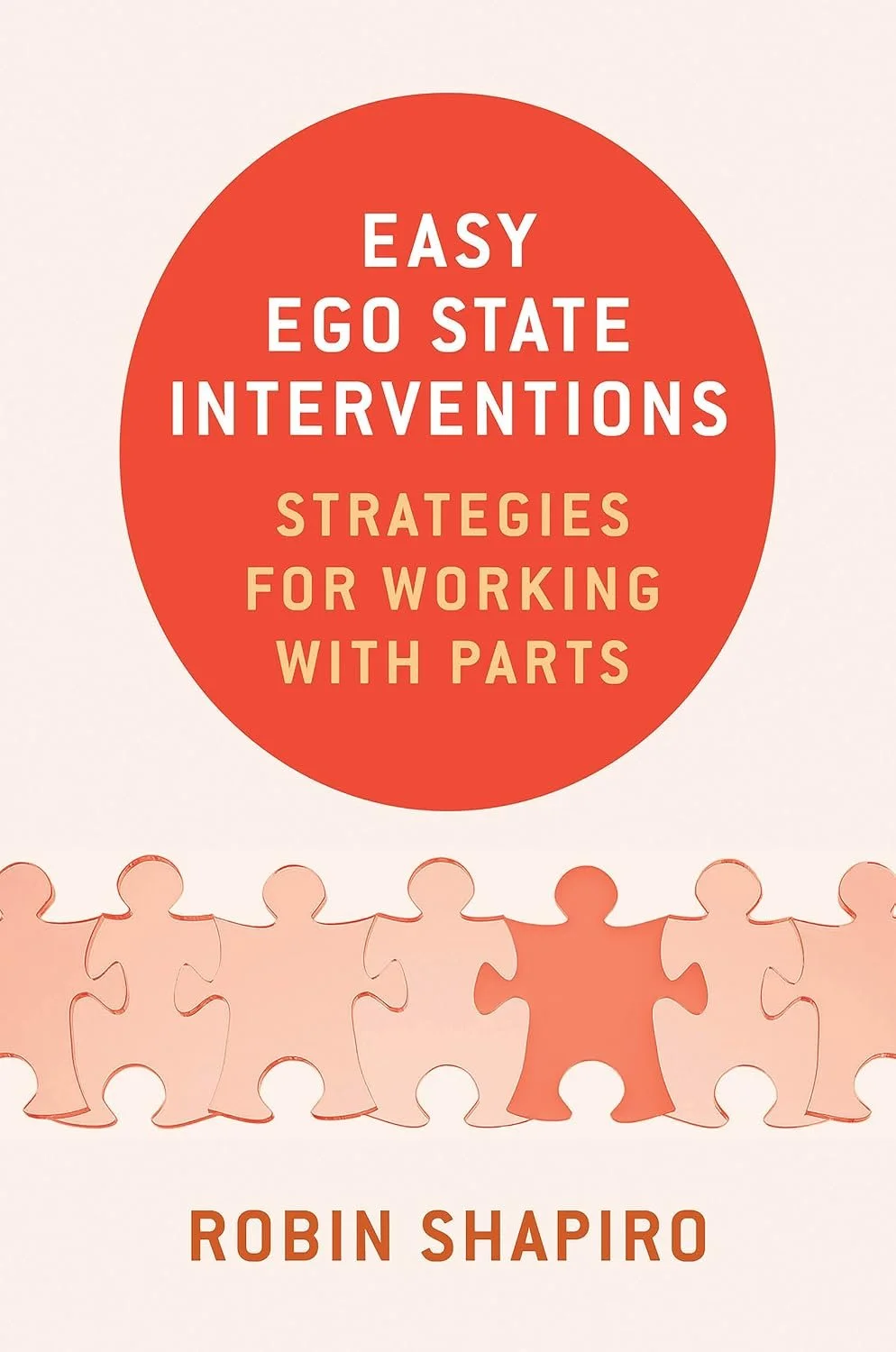
Easy Ego State Interventions | Robin Shapiro
Easy Ego State Interventions is the Internal Diplomacy Protocol because it provides a practical, non-pathologizing framework for communicating with the various "parts" of our psyche—such as the inner critic, the protector, or the high-achiever.
It is included because one cannot lead a regenerative world if their own "internal states" are at war.
By treating the mind as a system of "Ego States," this book invites us to quickly identify internal conflicts, negotiate between competing needs, and return to a state of deep Presence.

The Four Agreements | Don Miguel Ruiz
Why it is included:
The Code of Conduct.
It offers four non-negotiable agreements for the Sovereign Self:
1. Be Impeccable With Your Word,
2. Don't Take Anything Personally,
3. Don't Make Assumptions,
4. Always Do Your Best.
In an age of digital noise and "cancel culture," this is the shield that protects our integrity and psychic energy.
It simplifies the complex ethics of leadership into a daily practice of personal freedom.

The Book of Five Rings | Miyamoto Musashi
Why it is included:
The "Steel." In a library full of gentle wisdom, Musashi provides the necessary martial edge.
Written by Japan's greatest swordsman just weeks before his death, it is a treatise on strategy, timing, and the "Way of the Void."
We include it to remind the leader that "Luminous Authenticity" is not passive.
It requires the relentless discipline to clear the mind of hesitation, seeing reality exactly as it is without distortion.
It is the manual for "Impeccable Action" in the heat of chaos.

Inner Mastery, Outer Impact | Hitendra Wadhwa
Why it is here:
The bridge between the cave and the corporation.
Wadhwa argues that we falsely separate "The Saint" (Inner Purity) from "The Executive" (Outer Results).
A leader in a flourishing society is both.
He codifies the "Five Core Energies" (Purpose, Wisdom, Growth, Love, Self-Realization).
We include this because it is the operational manual for the section.
It stops "Authenticity" from being a vague buzzword and turns it into a discipline.
It teaches the leader how to activate their "Inner Core" in high-stakes moments to drive "Outer Impact" without selling their soul.