Relationality | Escobar, Osterweil, & Sharma
Relationality is the Interconnectedness Protocol because it argues that nothing exists in isolation; everything—human, plant, animal, and mineral—emerges through its relationships with everything else.
It is included because a flourishing world cannot be built on the "myth of the individual."
Escobar and his co-authors provide a roadmap for a "Politics of Life" that respects the Pluriverse (a world where many worlds fit).
This book provides the philosophical "glue" that binds Regenerative Design to Social Justice, teaching that to heal the planet, we must first heal our "relational tissue" and recognize that we are not on the earth, but of the earth.
Leadership for Flourishing | Ritchie-Dunham, Granville-Chapman, + Lee (Eds.)
Leadership for Flourishing is the Executive Protocol for the Map Room because it moves beyond the "heroic leader" model toward a Systemic Stewardship model.
It is included because it provides a research-informed, interdisciplinary framework for how leaders can intentionally create environments where individuals, teams, and whole ecosystems can flourish.
This book teaches that the primary role of a Leader for flourishing is not to "produce results," but to cultivate the conditions that make results inevitable.
Regenerative Economics | John Fullerton
This book is here to help us imagine money that acts like "nourishment" rather than "extraction."
It is selected to give our financial world a soul.
Its role is to show us how wealth can circulate through a community like water through a garden, making sure every corner is watered. It helps us build a society where the economy serves the people and the planet, rather than the other way around.

Irreducible | Federico Faggin
Irreducible is the Foundational Consciousness Protocol because it scientifically dismantles the idea that humans are "biological robots" or that AI will eventually become conscious.
Faggin argues that consciousness is not an emergent property of matter (like software on a computer) but an irreducible, fundamental property of nature itself—what he calls the "quantum-classical" ground of reality.
He introduces the concept of "Seity" (the unique, conscious "I" that machines lack) and "Live Information," which carries inherent meaning rather than just symbolic data.
This book is the ultimate protection against "technological dehumanization," providing a rigorous physical and mathematical argument for the primacy of the human spirit over the machine.
The Science of Magic | Dr. Dean Radin
It integrates the latest findings in Quantum Biology and Neuro-Phenomenology to explain how focused intention interacts with the quantum vacuum.
This book is the bridge between knowing the universe is conscious (Harris) and interacting with that consciousness to manifest systemic change.
It provides the scientific framework for what ancient traditions called "magic," but what we now understand as the Directed Collapse of the Wave Function.
It shifts us from "Observer" to "Weaver."
By understanding the science of how belief and attention literally structure our local reality, we gain a sense of Radical Responsibility (out of victimization mode).
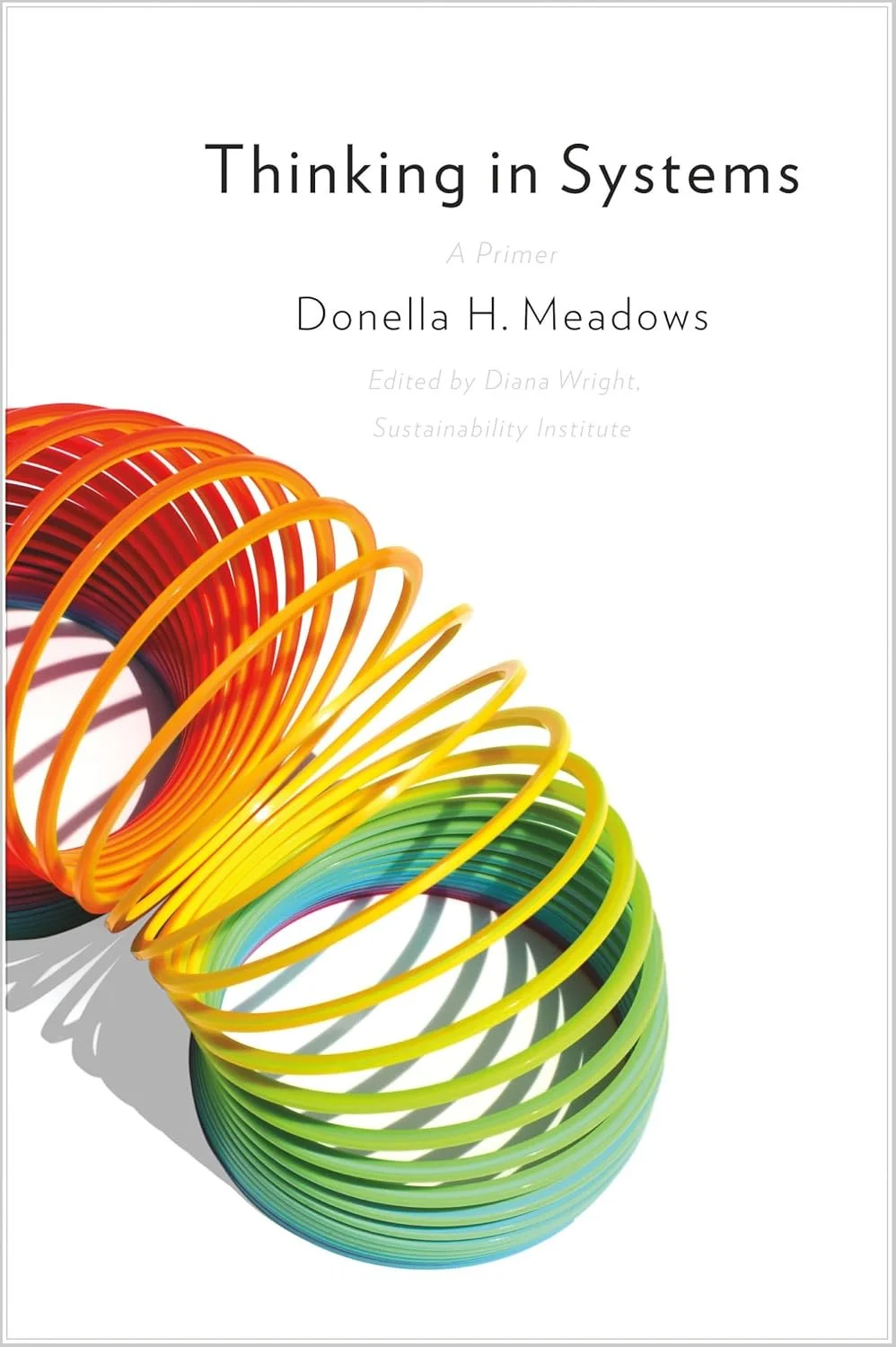
Thinking in Systems | Donella Meadows
This book is the "instruction manual" for the Map Room.
It helps us see the "invisible strings" that connect everything.
It is selected to help us understand why problems keep happening and where we can actually make things differently.
It plays the role of a clarity-bringer.
It helps us build a society where we fix the deep "roots" of our problems instead of just pulling the "weeds."
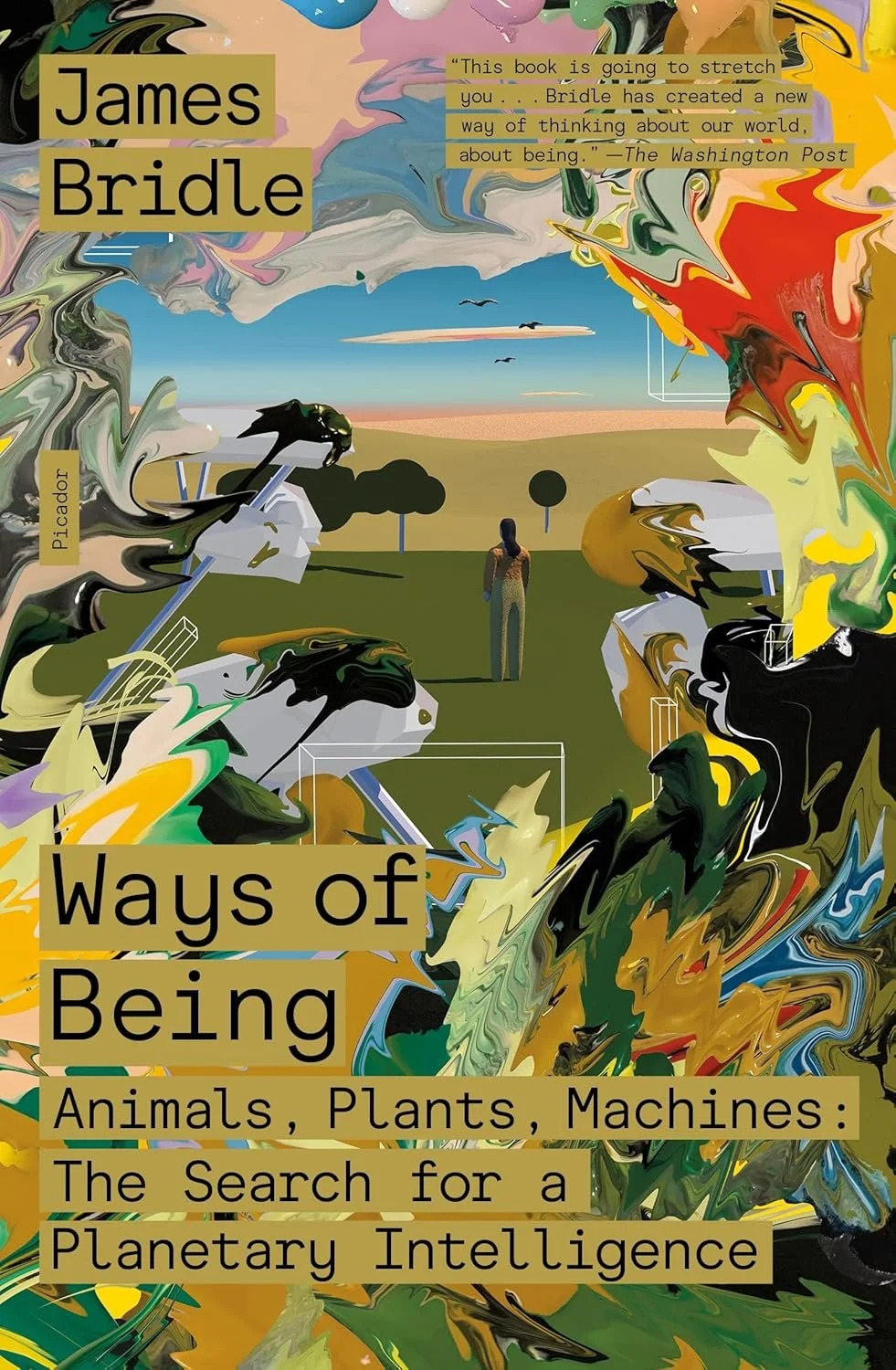
Ways of Being | James Bridle
Why it is included: We usually define "Intelligence" as "what humans do" (logic, language).
Bridle explodes this narrow definition. They explore "More-than-Human Intelligence"—from the slime molds that can solve mazes to the complex social networks of forests, and even the "alien" intelligence of AI.
Bridle argues that AI should not be built to mimic corporate humans, but to help us commune with the planetary mind.
We include this to upgrade our definition of technology.
Instead of building AI to dominate nature, Bridle envisions a "Internet of Animals" and a technology stack that integrates us back into the ecology. It is a visionary text that creates a new alliance between biology and code, moving us from "Artificial Intelligence" to "Ecological Intelligence."
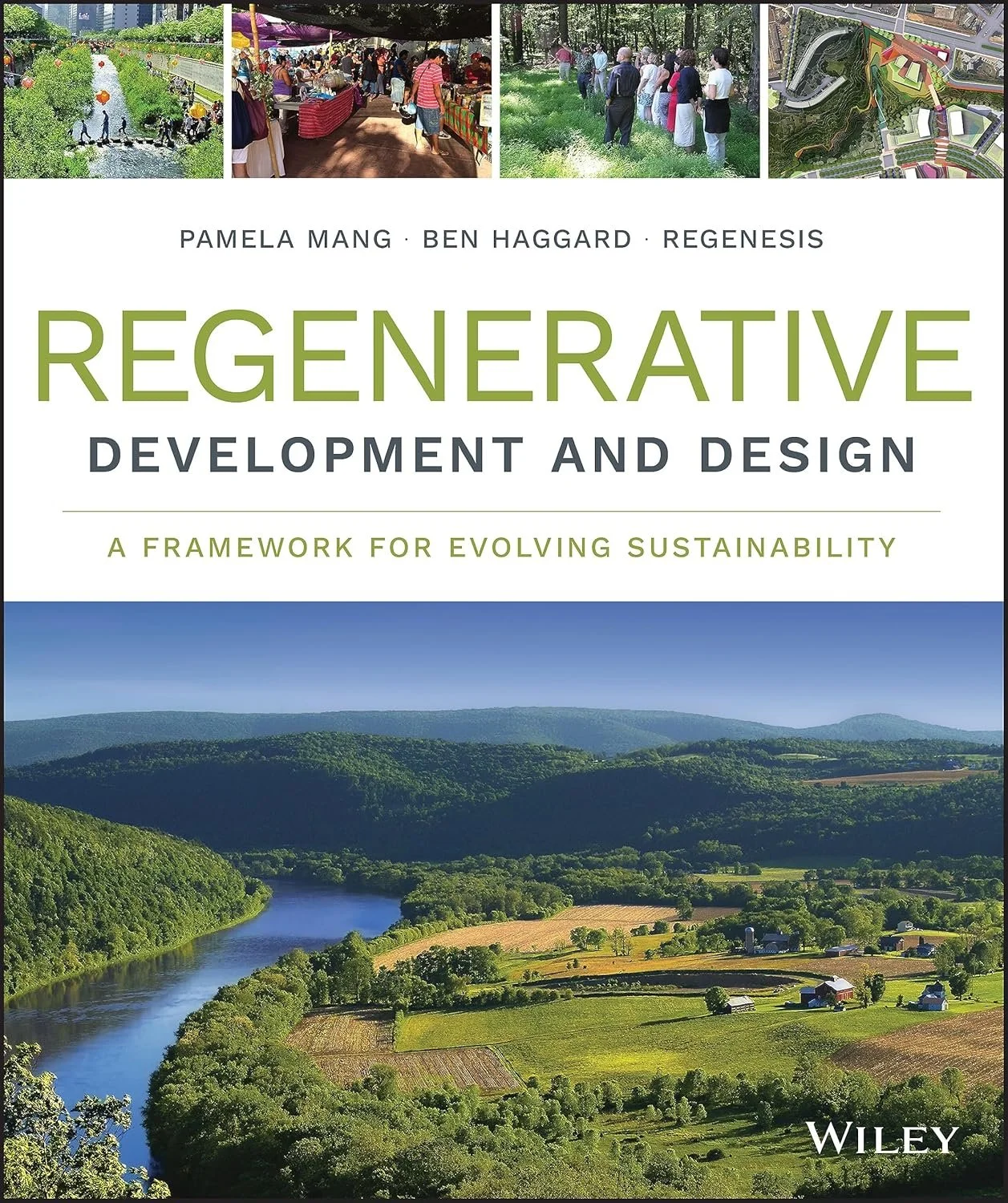
Regenerative Development and Design | Regenesis Group
Regenerative Development and Design is the essential Evolutionary Protocol because it shifts the goal from "doing less harm" to "generating more life."
It is included because it provides a rigorous framework for treating every project—whether a building, a business, or a community—as a living participant in its local ecosystem.
By moving from a machine-mindset to a Living Systems mindset, we learn to identify the unique "essence" of a place and design interventions that allow both human and natural systems to co-evolve toward higher levels of vitality, complexity, and resilience.
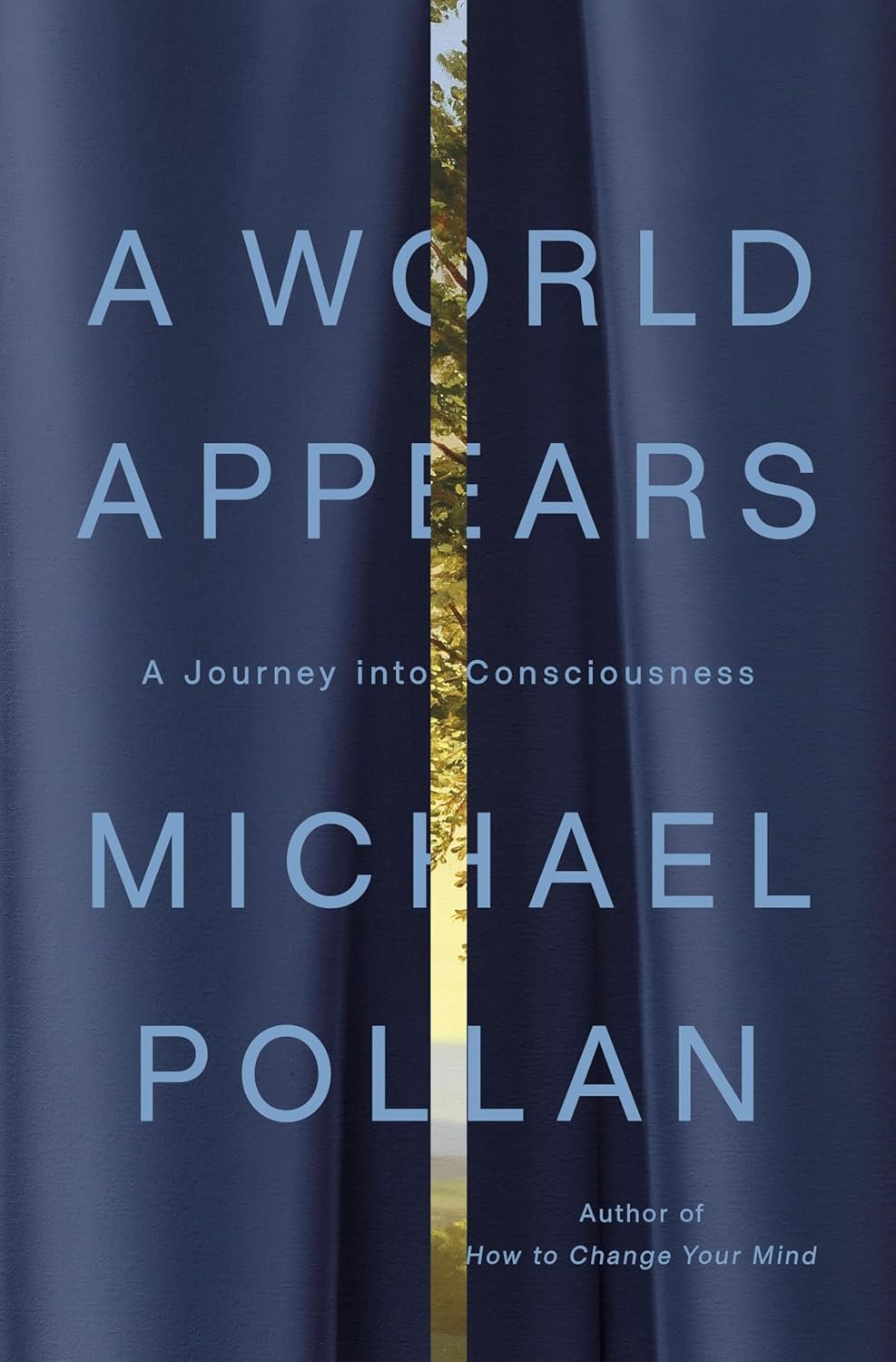
A World Appears | Michael Pollan
By synthesizing the latest frontiers in neuro-phenomenology, plant intelligence, and the dissolution of the egoic "Default Mode Network," Pollan demonstrates that our perception of a separate self is a biological construct that can—and must—be transcended to achieve true awareness.
This book is the bridge between the rigorous biology of the brain and the expansive mystery of the mind, providing the empirical permission to treat the world not as a collection of objects to be managed, but as a resonant, conscious ecosystem to be co-created.
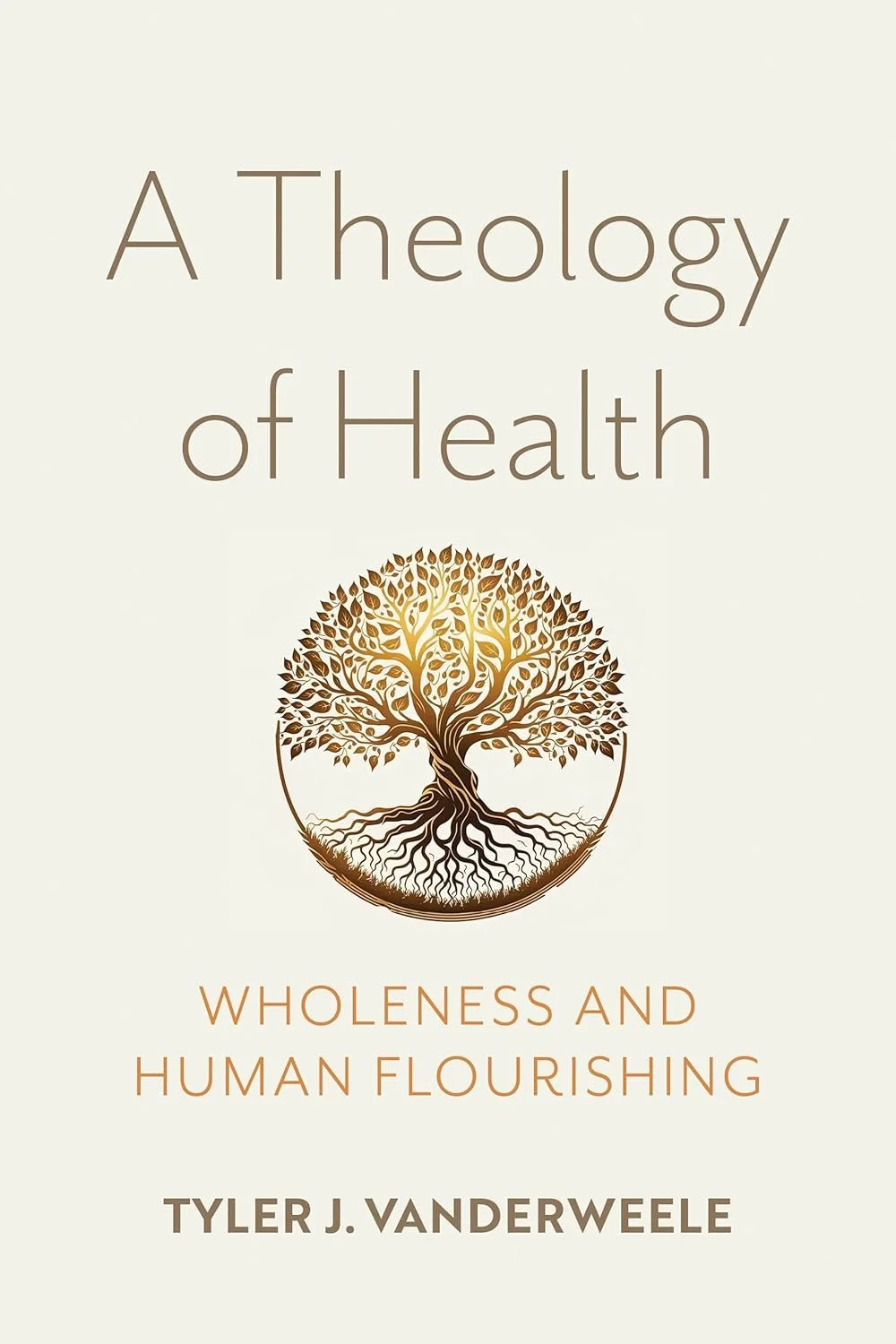
A Theology of Health | Tyler J. VanderWeele
As the Director of the Human Flourishing Program at Harvard, VanderWeele is the world’s leading expert on the quantitative and qualitative measurement of what makes life worth living.
When we think of health, we need to move beyond the "absence of disease" to the presence of wholeness.
VanderWeele provides a rigorous framework that integrates physical health, mental health, meaning and purpose, character and virtue, and close social relationships.
It provides the "Theological" or "Ultimate" grounding for why we care about integrity: because health is not just a biological state, but a state of being in "right relationship" with ourselves, others, and the divine/universal.

Sacred Earth, Sacred Soul | J. Philip Newell
Sacred Earth, Sacred Soul is the Sacred Ecology Protocol because it revives the Celtic tradition’s "Original Goodness"—the belief that the divine is woven into the very fabric of the earth and every human soul.
It is included because it provides a spiritual foundation for Regenerative Development, moving beyond the "original sin" or "separation" models that have fueled environmental destruction.
This book shows us how to listen to the "sacred heartbeat" of the world. It provides the soulful resonance needed to ensure that flourishing is not just technologically advanced, but spiritually grounded in a deep, indigenous love for the living earth.
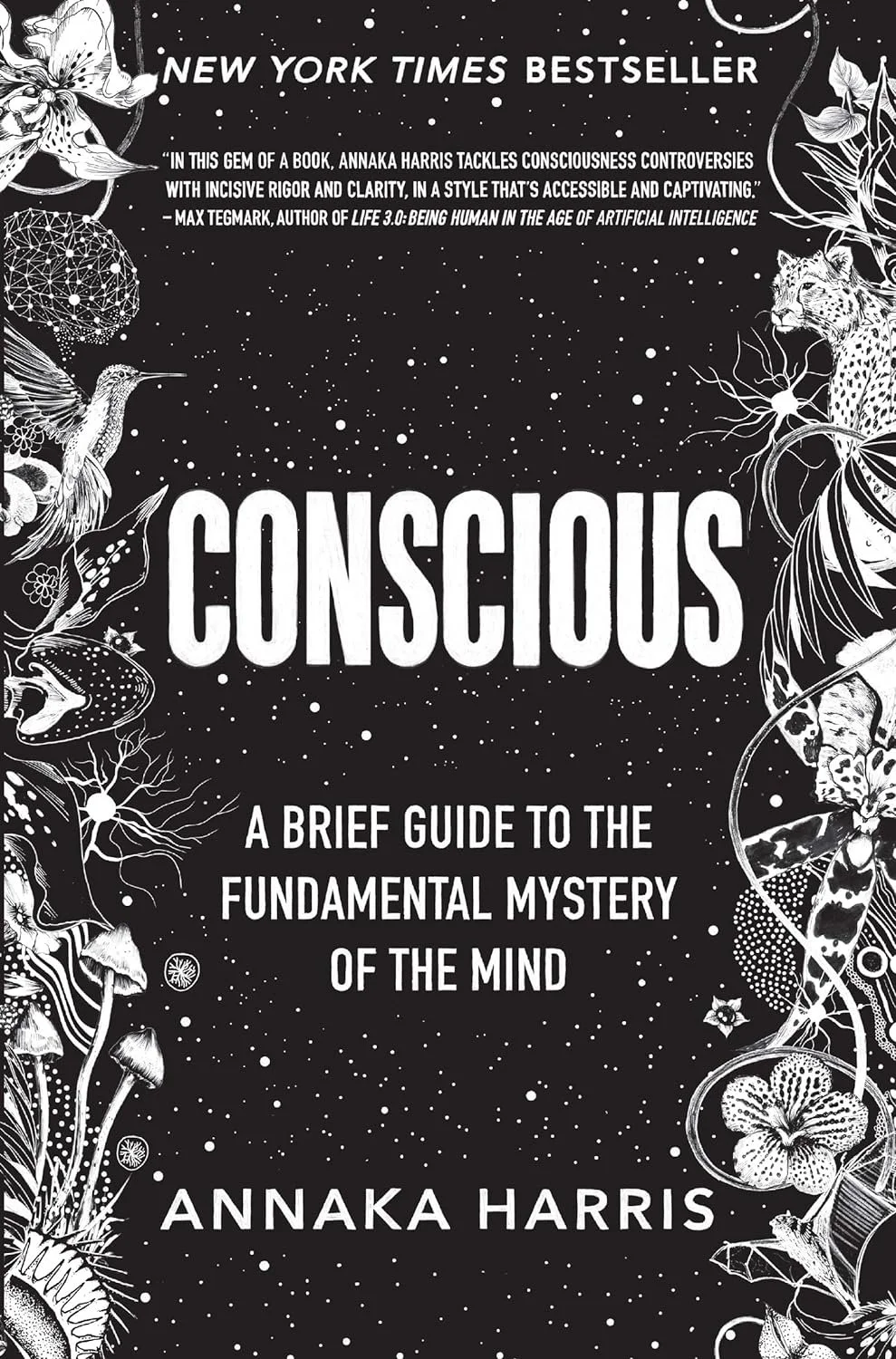
Conscious | Annaka Harris
Most of our modern crises (climate change, inequality, war) stem from a worldview called Materialist Reductionism.
This is the belief that the universe is just dead matter and that our "consciousness" is an accidental glitch in the brain.
If we believe we are separate, accidental biological machines, we treat the world as a resource to be exploited.
Harris explores Panpsychism—the idea that consciousness is a fundamental fabric of the universe.
It provides the "Zero-Point" logic: if the universe is conscious, then Ethics is Physics.
Integrity becomes a law of nature, not just a social suggestion.
It reminds us that even with AI and Quantum Computers, we do not yet know what we are.
This prevents the "God Complex" humans tend to assume.
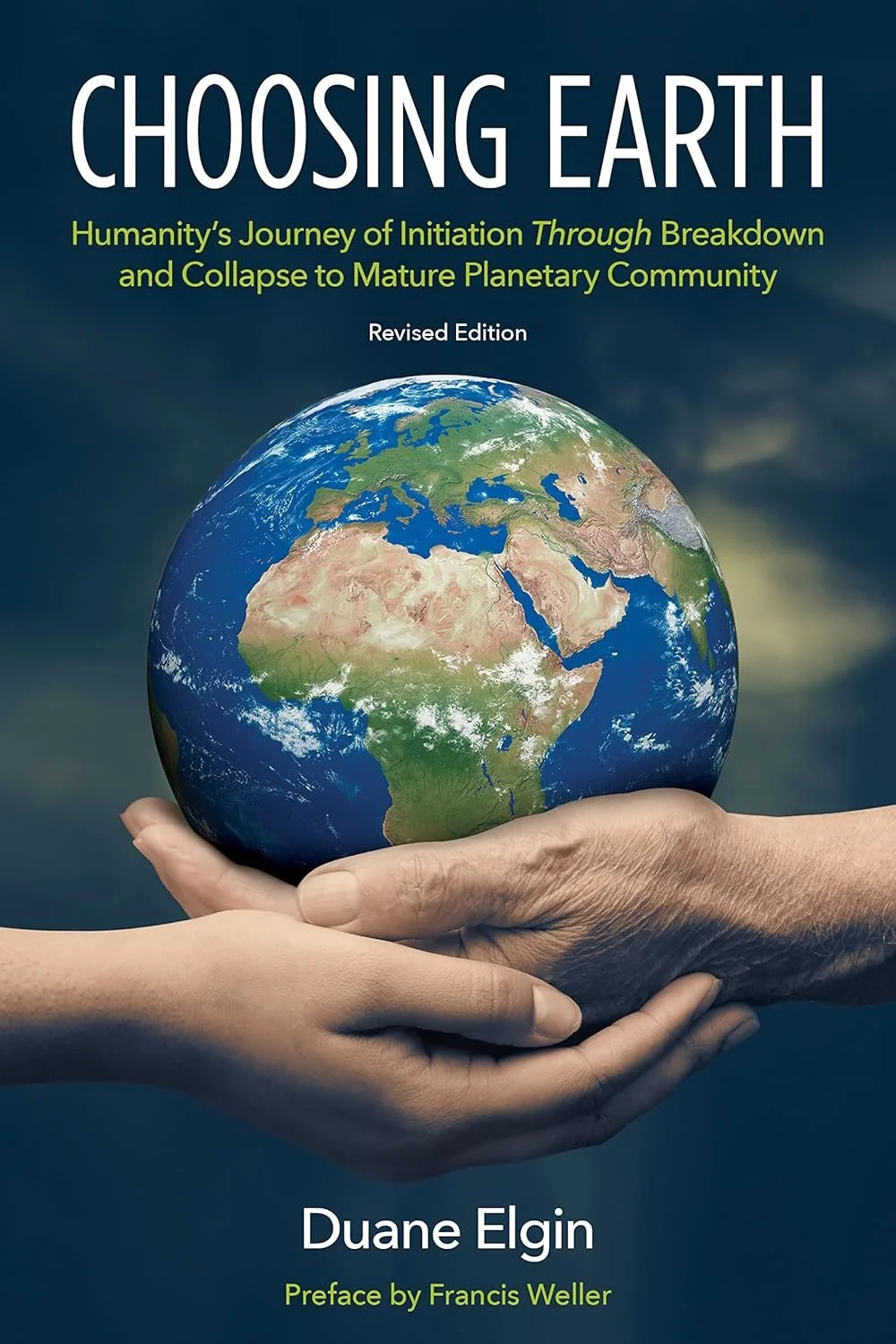
Choosing Earth | Duane Elgin
Elgin provides the "Soul-Level Logic" for the 2026-2050 timeline.
He argues that we are not just facing a "technical glitch" in our civilization, but a collective Journey of Initiation.
It provides the protocol for Long-Term Integrity—the ability to stay grounded and compassionate as the world "unravels" so that a mature planetary community can be born.
It shifts us from "Crisis Manager" to "Planetary Elder."
By viewing the current global turbulence as a "Rite of Passage" for the human species, the individual moves beyond the duality of optimism and pessimism.
It provides the courage for Pure Intention in the face of uncertainty, ensuring that we are not just "fixing the past," but midwifing a "Mature Planetary Community."
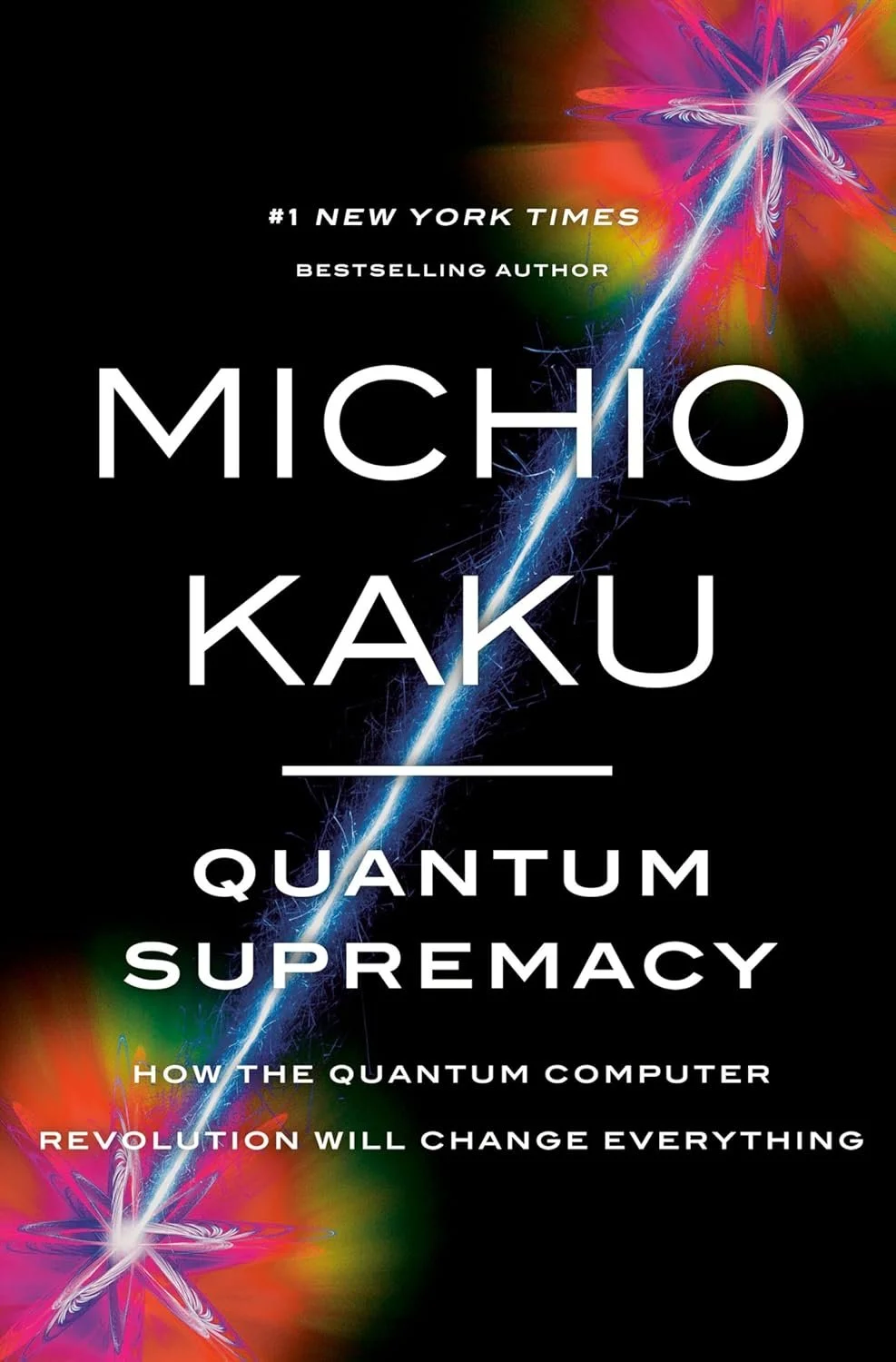
Quantum Supremacy | Michio Kaku
Kaku explains that we have reached the limits of silicon; to solve the "intractable" problems of the 21st century, we must move to the subatomic.
It is included because it maps how Quantum Computing will "collapse" decades of trial-and-error into seconds of simulation.
For us, this book provides the vision for Radical Abundance: a world where we can "calculate" the cure for cancer, design a star-in-a-bottle (Fusion), and rewrite the chemistry of fertilizer to feed the planet without destroying it.
It shifts us from "Resource Management" to "Information Orchestration." It teaches that in a quantum-capable world, the only true scarcity is imagination and ethics.
It prepares us to handle "infinite" computational power with the gravity and wisdom required to ensure it serves humanity rather than just accelerating extraction.
The Future of Energy | John Armstrong
This book serves as the Physical Foundation for the Map Room.
It is included because a flourishing society cannot exist on energy from combustion and extraction. Black provides the most current roadmap for the Great Transition, proving that the shift to abundant, clean energy is no longer a hopeful "green" wish, but an economic and technological inevitability.
It maps the convergence of solar, storage, and intelligent grids, providing us with a clear-eyed understanding of how the very "fuel" of civilization is being rewritten.
By understanding that we are transitioning from "finite fuels" to "infinite flows," we can stop making decisions based on the fear of depletion and start architecting for a world of abundance.
Impact Networks | David Ehrlichman
In a flourishing society, we move away from "top-down" hierarchies and toward "side-by-side" networks.
Impact Networks is included because it provides the practical protocol for System Weaving.
It turns the abstract idea of "collaboration" into a rigorous individual skill set.
It shifts your relational integrity from "What can I get from this person?" (transactional) to "How can I weave these people together to serve the whole?" (generative).
By mastering the "5 Cs" (Clarify, Convene, Cultivate, Coordinate, Collaborate), the individual becomes the "glue" that allows a fragmented system to start functioning as a harmonious organism.
Frequency | Penney Peirce
This book is here to help us stay "centered" in a busy world.
It teaches us how to sense the "vibe" of a situation and stay anchored in our own calm energy.
Its role is to be an "inner compass."
It helps us build a society of people who are intuitive and steady, even when things around them are changing quickly.

Silence: In the Age of Noise | Erling Kagge
This book is here to help us find the "stillness" inside.
It is selected because in a world full of noise, silence is where we find ourselves.
Its role is to protect our inner peace.
It helps us build a society where we value quiet time and deep listening, allowing the best ideas to rise from the silence.
The Soul of Money | Lynne Twist
This book is here to heal our relationship with money and "stuff."
It is selected to help us move from a feeling of "never enough" to a feeling of "sufficiency."
Its role is to quiet the inner voice of greed.
It helps us build a society where we feel rich because we have enough to share and enough to be at peace.
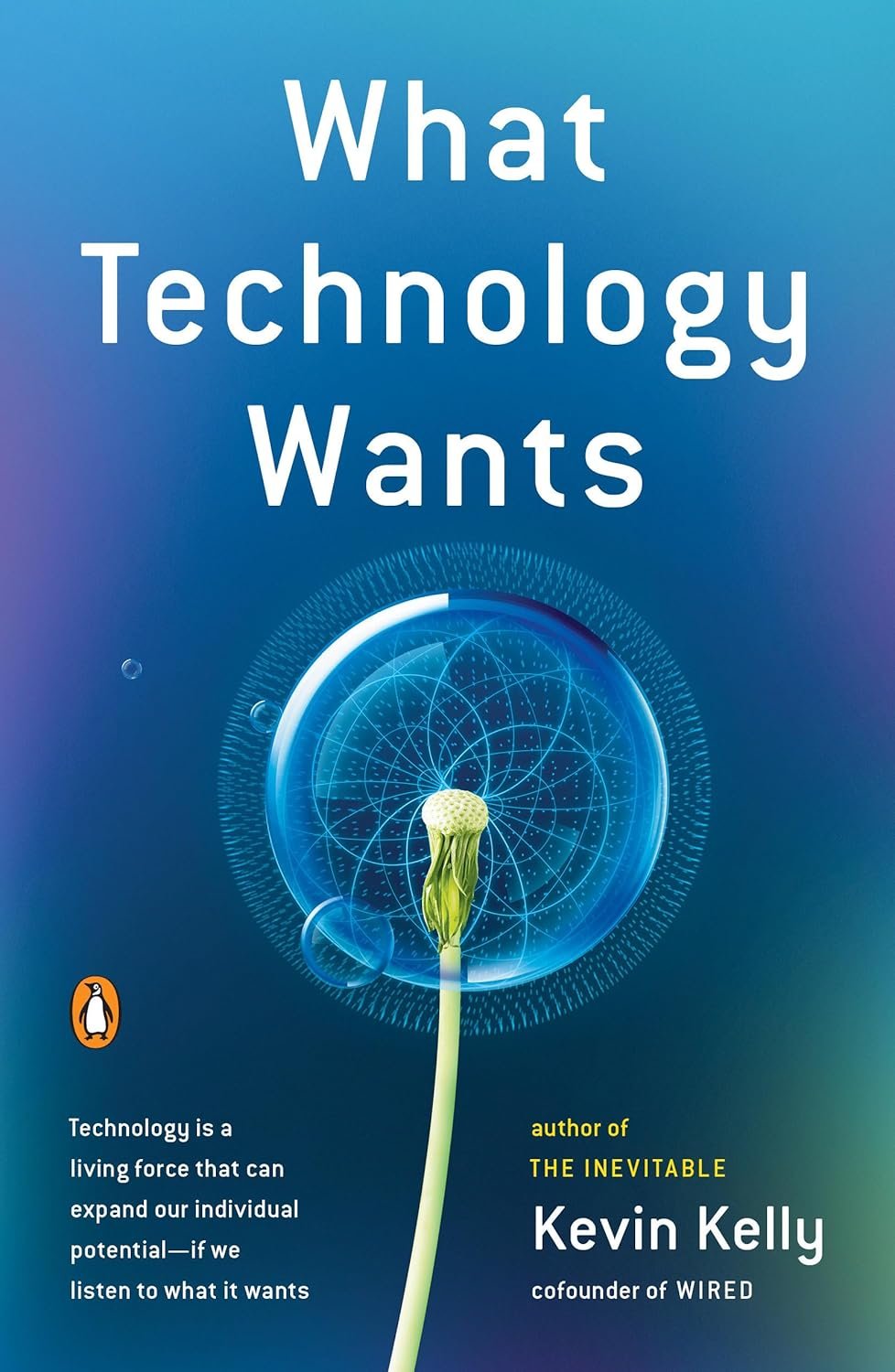
What Technology Wants | Kevin Kelly
This book is here to help us make peace with technology.
It suggests that tech is like a "seventh kingdom of life" that wants to grow and learn with us.
It is selected to help us steer technology in a direction that serves life.
It helps us build a society where our tools make us more human, more creative, and more connected to the world around us.