Governable Spaces | Nathan Schneider
Governable Spaces is the Digital Sovereignty Protocol.
It challenges the "implicit feudalism" of our current online platforms and offers a blueprint for Modular Politics.
Schneider argues that for online life to flourish, we must move beyond the "dictatorship of the developer" and design spaces that allow communities to self-govern with the same nuance and agency we expect in the physical world.
This book provides the essential toolkit for building Digital Ecosystems that reflect the values of Dignity, Agency, and Collective Intelligence, ensuring that our online tools become engines for human flourishing rather than instruments of surveillance and polarization.
How to Know a Person | David Brooks
This book is here to teach us the art of "really seeing" each other.
It is selected because a flourishing world starts with the way we treat the person standing in front of us.
Its role is to build empathy and a deep connection.
It helps us build a society where everyone feels seen, heard, and valued for who they truly are.
Anam Cara | John O'Donohue
Why it is here: The spiritual definition of the Team. "Anam Cara" is Gaelic for "Soul Friend." In a corporate world obsessed with "Networking" (transactional utility), O'Donohue reminds us that true collaboration requires a deep, ancient recognition of the other's essence.
We include this to elevate Section C beyond mere mechanics. It teaches that the highest form of "Co-Creation" isn't just shipping a product; it is the act of awakening one another's interiority. It creates a container where psychological safety transitions into spiritual belonging.
Regenerative Leadership | Giles Hutchins & Laura Storm
Why it is included:
Most leadership models are based on "Machine Logic"—predict, control, and extract.
Hutchins and Storm argue that the future requires "Living Systems Logic."
This is the definitive manual for applying Biomimicry to leadership.
It goes beyond organizational charts to the internal state of the leader.
It teaches us how to align our own rhythms (Cyclical vs. Linear) with the rhythms of nature.
By treating the organization as a living ecosystem rather than a factory, we unlock "emergent" potential—innovation that grows naturally rather than being forced.
It is the practical guide for being a thriving leader in an emerging paradigm.
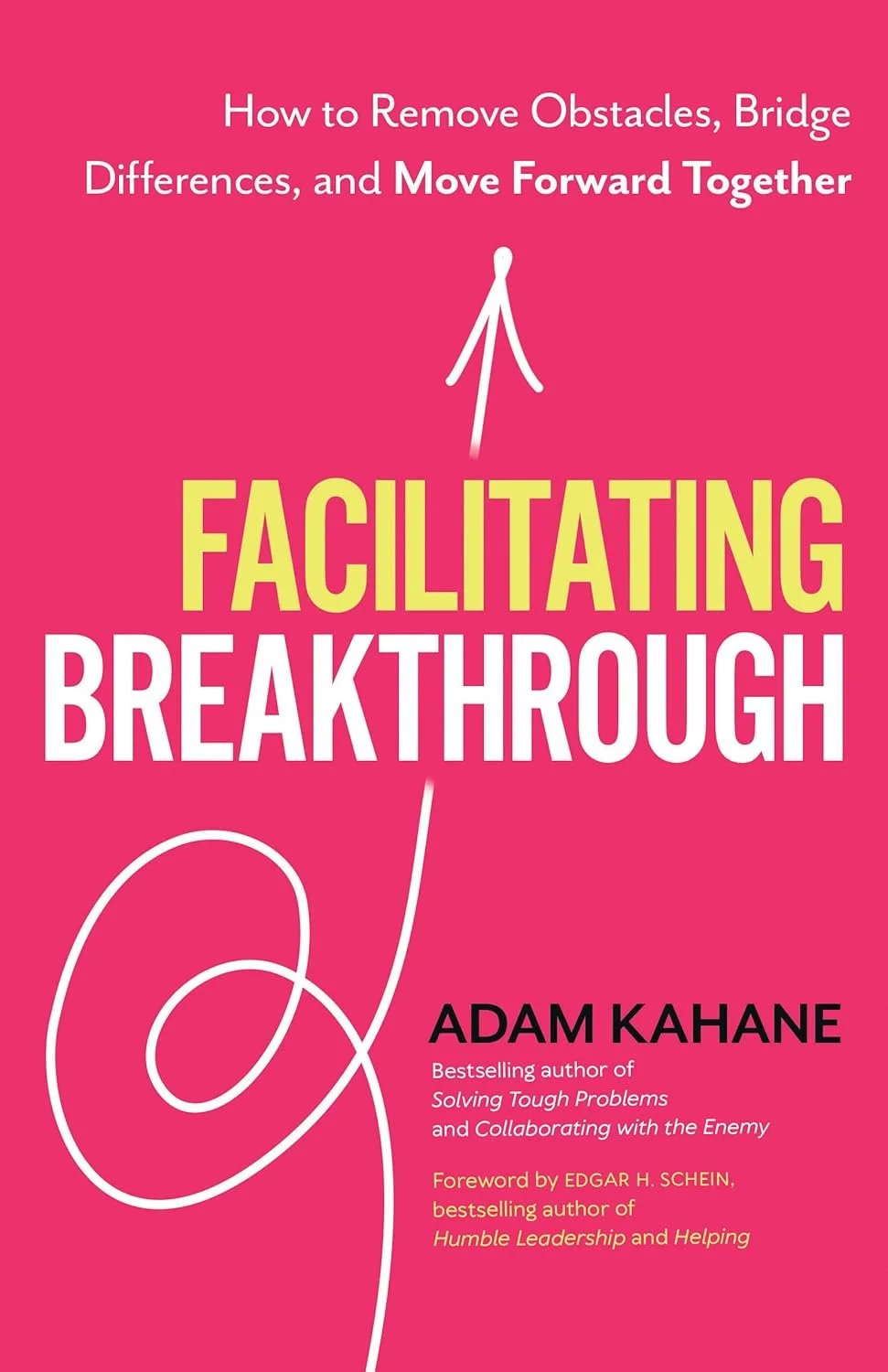
Facilitating Breakthrough | Adam Kahane
Why it is included:
Creating a warm atmosphere is no longer enough; we need to solve impossible problems with people we may not trust.
Adam Kahane, a veteran facilitator of peace treaties, argues that standard collaboration fails because we try to force agreement or politeness.
We include this to replace "gathering" with Transformative Facilitation.
Kahane provides a framework for removing obstacles that keep groups stuck—specifically the challenge of "collaborating with the enemy."
He teaches how to move a group from rigid debate to generative dialogue, leveraging differences rather than smoothing them over.
It is the essential toolkit for co-creating in low-trust, high-stakes environments.
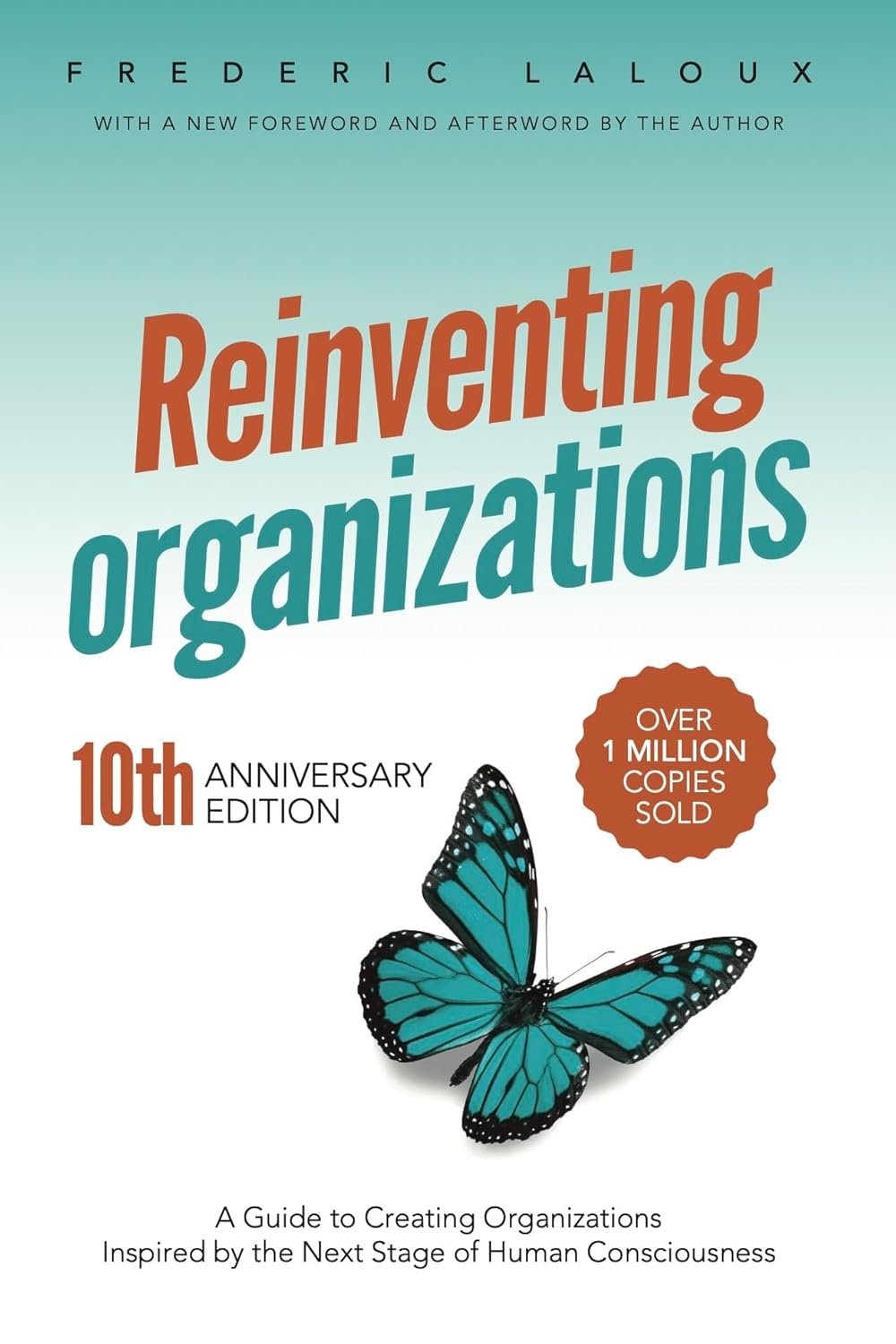
Reinventing Organizations | Frederic Laloux
Why it is included:
If Theory U is the process, this is the structural blueprint.
Laloux maps the history of human organization, showing the inevitable evolution toward "Teal Organizations,” which operate like living organisms.
We include this because it proves that "boss-less" companies are not a fantasy; they are a functioning reality.
It details the three breakthroughs of Teal: Self-Management (fluid roles), Wholeness (safe space for the emotional self), and Evolutionary Purpose (listening to where the organization wants to go).
It is the manual for building institutions that are as adaptive as nature itself.

Free, Fair, and Alive | David Bollier & Silke Helfrich
Why it is included:
This is the operating system for a thriving society.
Bollier and Helfrich explain how to build them in the digital age.
They reject the "Market vs. State" binary and introduce the "Triad of Commoning":
Social Life (peer governance),
Peer Governance (rule-making), and
Provisioning (production).
It bridges the gap between the local and the global through "Cosmolocalism" (Design Global, Manufacture Local). It teaches us how to build systems that are distinct and locally rooted, yet connected by a global "knowledge commons," solving the problem of planetary governance without centralization.
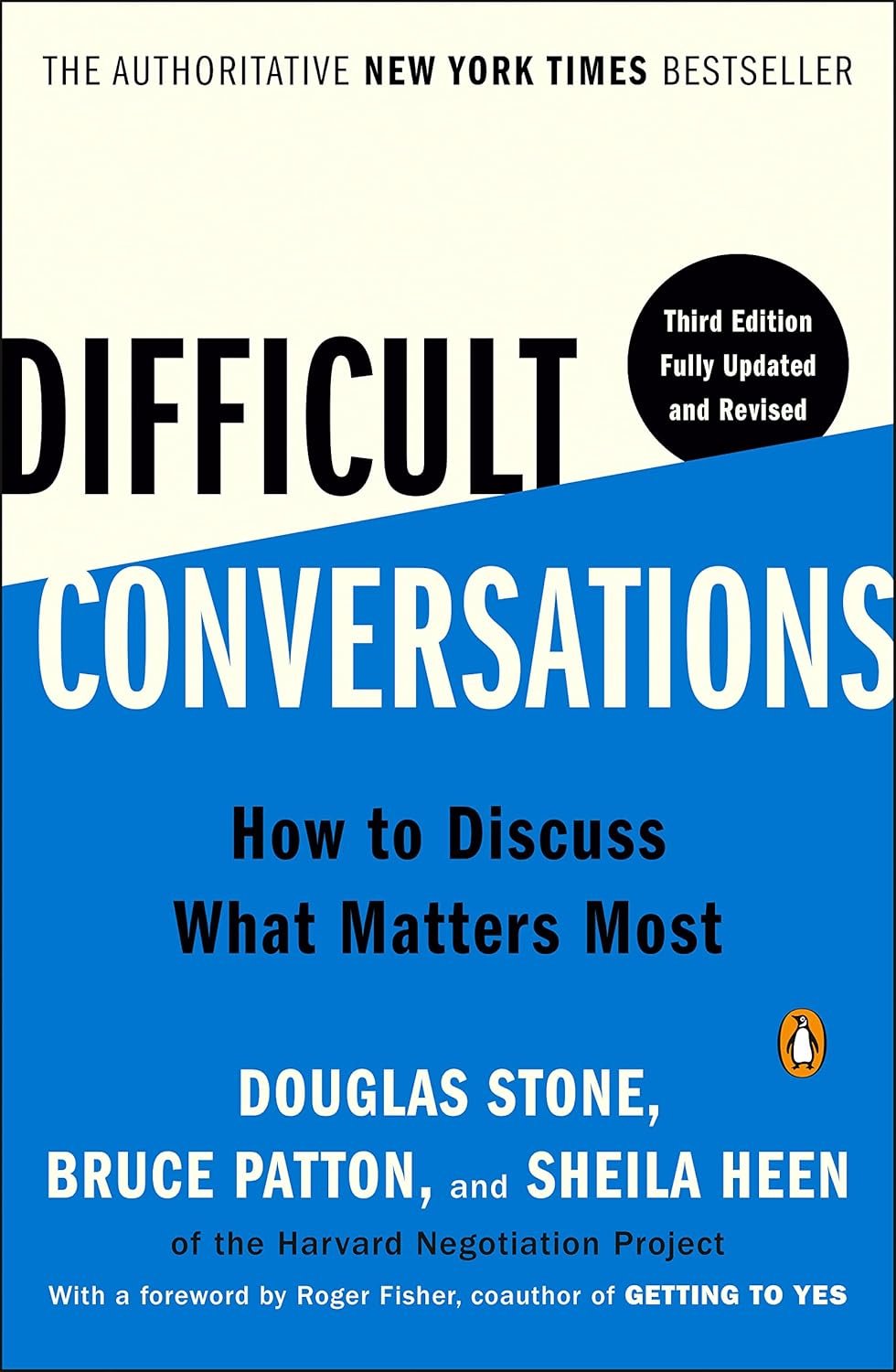
Difficult Conversations | Douglas Stone, Bruce Patton, & Sheila Heen (The Mechanic)
Why it is included:
While High Conflict handles the system, this book handles the interaction.
It reveals that every difficult conversation is actually three simultaneous conversations:
the "What Happened" conversation (facts),
the Feelings conversation (emotions), and
the Identity conversation (what this situation says about me).
We include this because it identifies the "Identity Quake"—the hidden reason we get defensive.
It provides the tactical framework to stop arguing about "truth" (who is right) and start exploring "perception" (why we see it differently), acting as the essential bridge between conflict and connection.
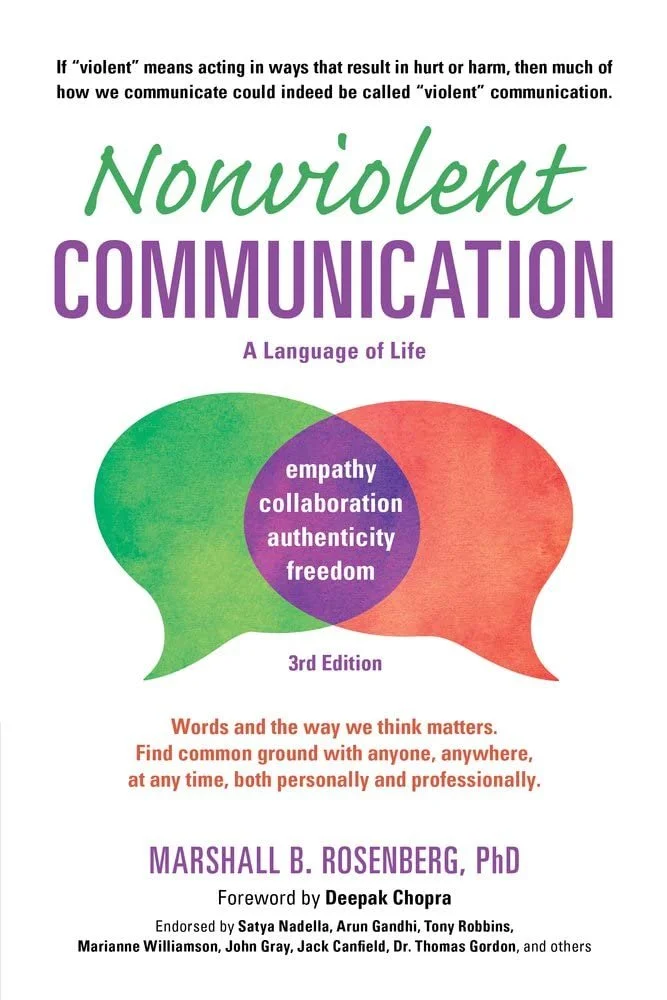
Nonviolent Communication | Marshall Rosenberg
Why it is included:
Conflict is inevitable in co-creation.
Rosenberg provides the global standard for de-escalation.
He exposes how our language (judgment/blame) creates violence and offers a replacement protocol based on Needs and Requests.
It teaches Needs-Based Consciousness—the ability to look past an attack and see the universal human need driving it.
This is the essential tool for keeping the collaboration running when egos flare, turning "enemies" into partners.
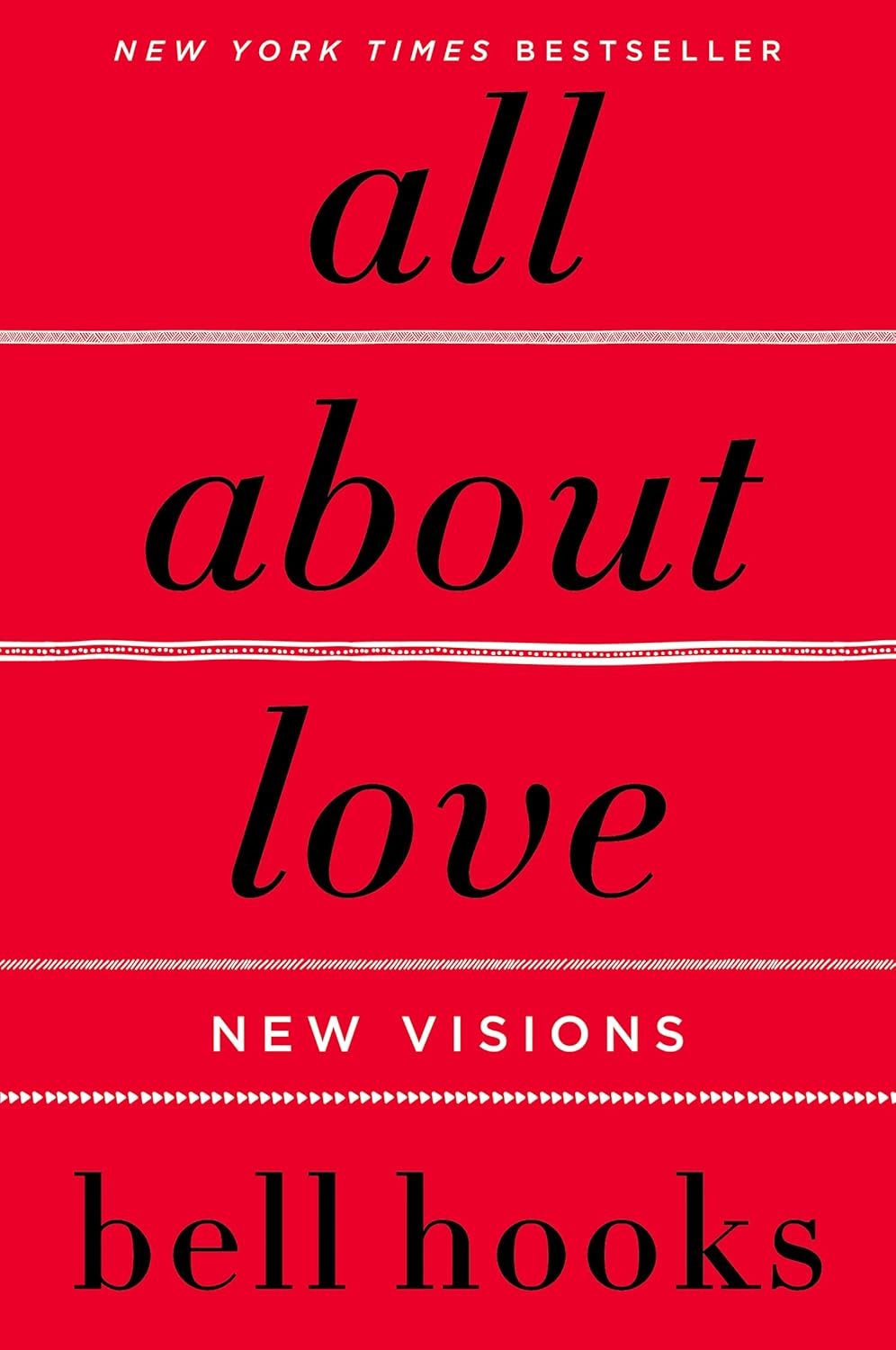
All About Love | Bell Hooks
Why it is included:
We often treat love as a sentiment we "fall" into.
bell hooks reclaims it as a rigorous Ethic—an act of will that implies "care, commitment, knowledge, responsibility, respect, and trust."
She argues that there can be no love without justice.
This book provides the moral backbone of the section.
It teaches that "Co-Creation" is impossible in a hierarchy of domination.
To truly collaborate, we must dismantle the power structures inside our own relationships and replace them with a love that is an active, transformative force for social change.
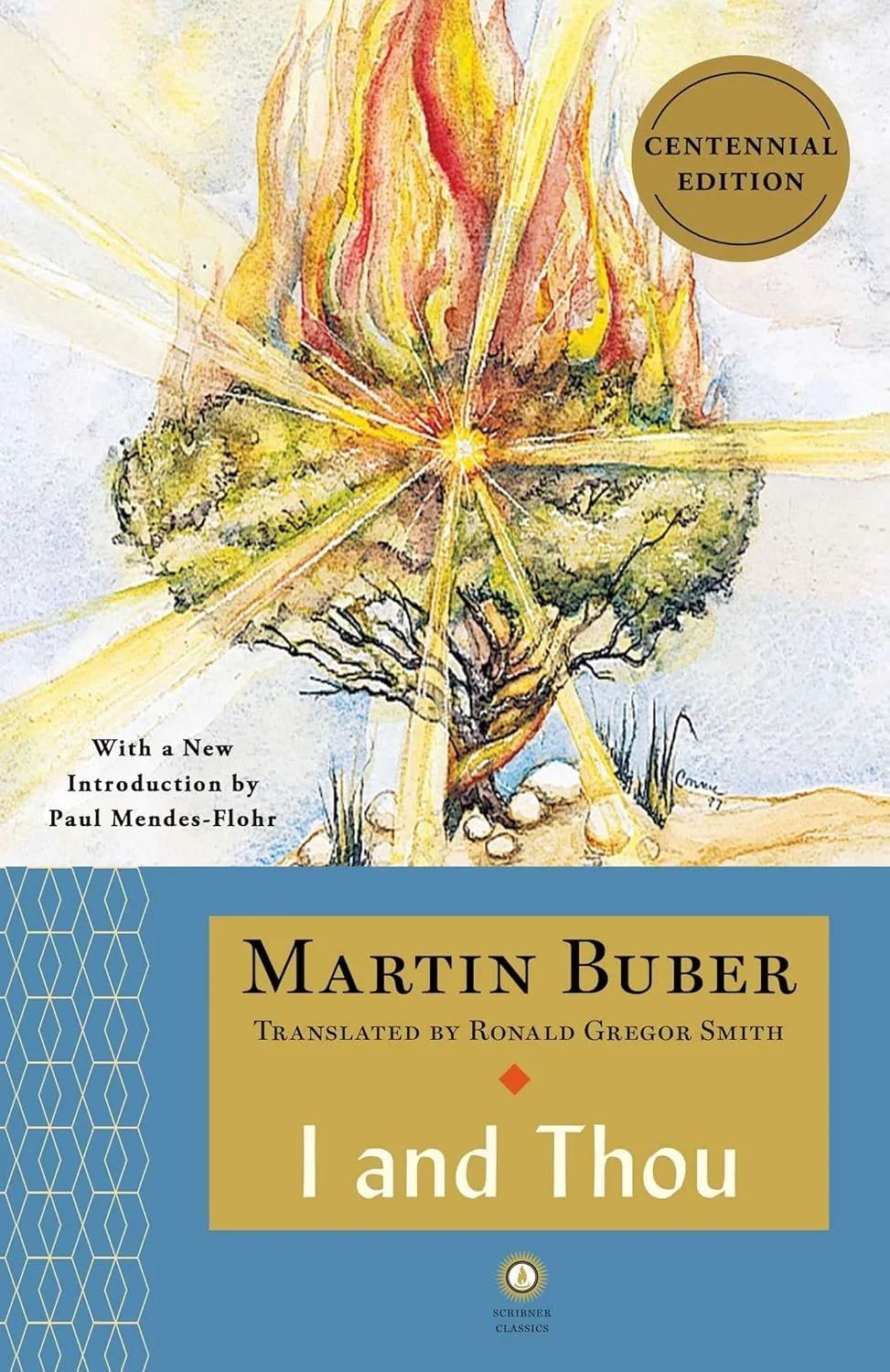
I and Thou | Martin Buber
Why it is included:
Written in 1923, this is the philosophical cornerstone of connection.
Buber distinguishes between two ways of relating: I-It (experiencing the other as an object to be used, measured, or analyzed) and I-Thou (encountering the other as a whole, sacred being).
We include this because a thriving civilization cannot be built on "I-It" transactions.
Buber argues that true reality only exists in the "Space Between" subjects.
This book reminds us that we cannot "hack" connection; we must enter into it with total presence, recognizing the divinity in the other.
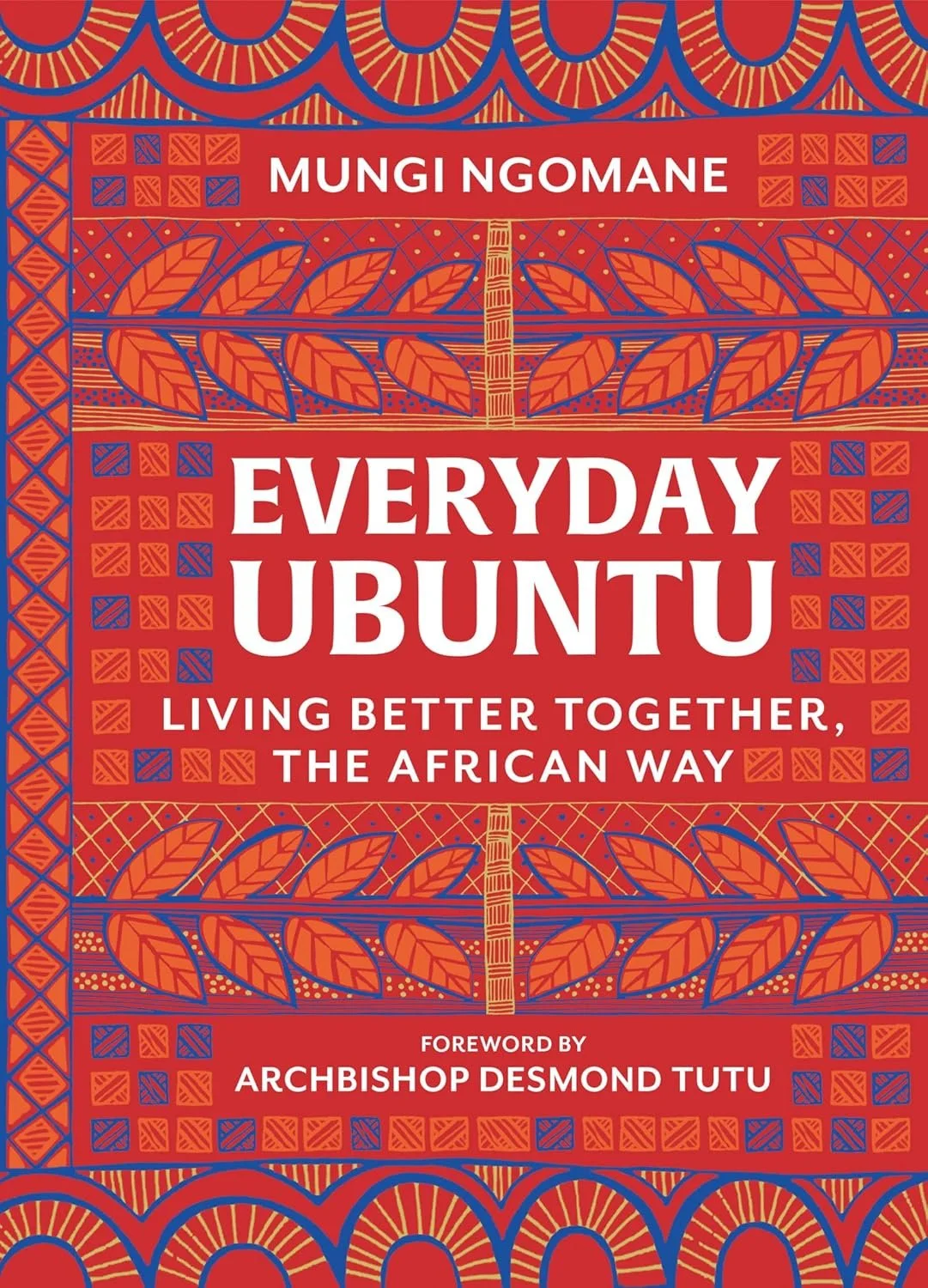
Everyday Ubuntu | Mungi Ngomane
Why it is included:
"Ubuntu" is the Xhosa philosophy often translated as: "I am because we are."
It argues that a person is a person only through other people.
We include this manual to replace the Western myth of the "Self-Made Man."
It teaches that our humanity is inextricably bound up in others.
If you are humiliated, I am humiliated. If you are diminished, I am diminished.
This is the metaphysical "Source Code" for Co-Creative Collaboration, reminding us that there is no such thing as solitary survival.
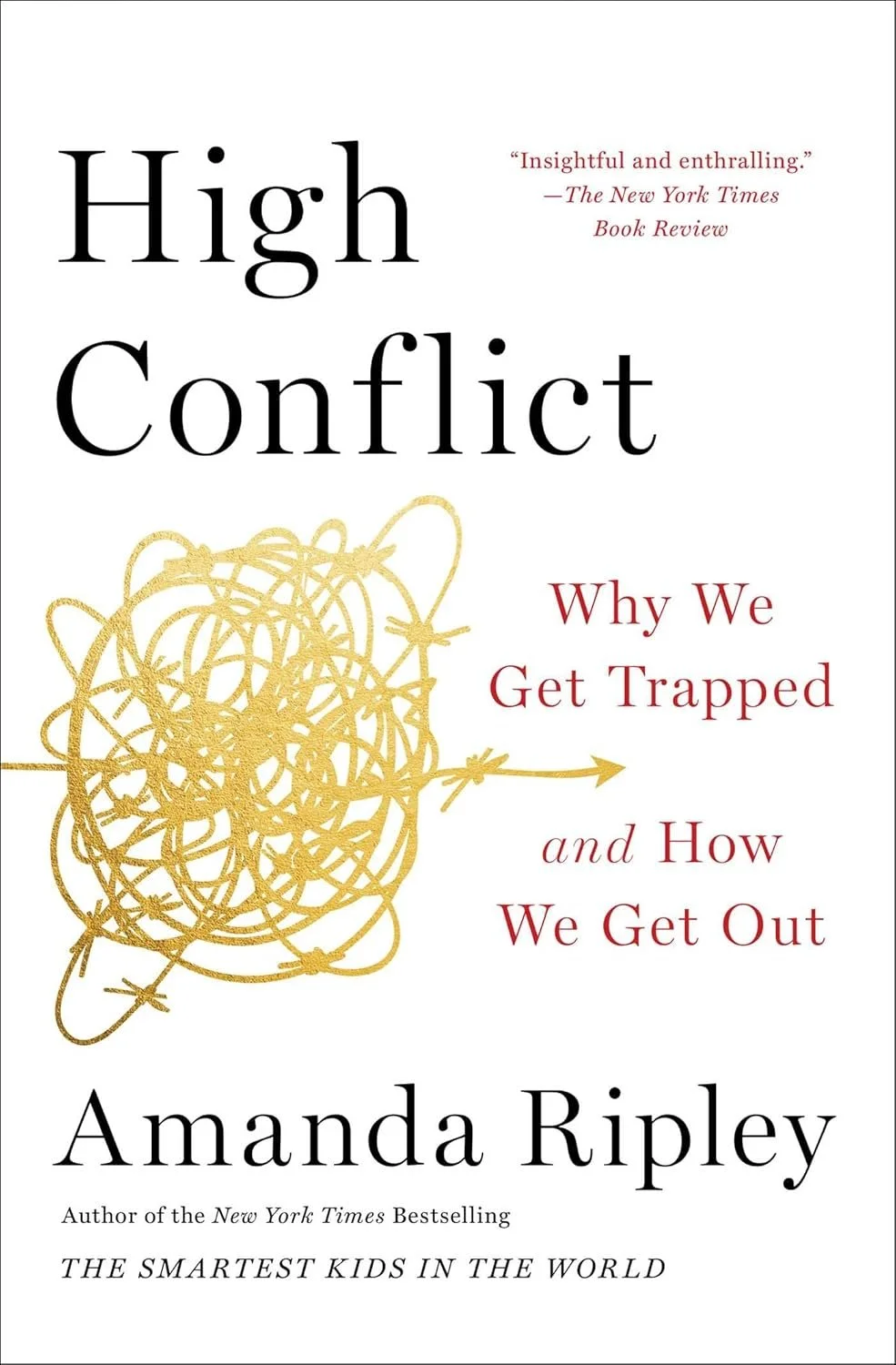
High Conflict | Amanda Ripley
Why it is included: Conflict is normal and healthy. "High Conflict" is a trap.
Ripley, an investigative journalist, explains the mechanics of how we get stuck in "us vs. them" feuds where the goal shifts from "solving the problem" to "hurting the other side."
She identifies the "conflict entrepreneurs"—pundits, algorithms, and leaders—who profit from keeping us inflamed.
This book is the tactical manual for de-escalation.
Unlike general books on polarization, Ripley provides specific tools for "looping" (active listening) and disrupting the binary narratives that fuel hatred.
It is essential reading for anyone trying to build community in a polarized era, teaching us how to escape the "tar pit" of toxic division and return to "Good Conflict"—the kind that actually moves society forward.